Key points
- The USGS-led Aleutian Arc expedition covers energy resources, underwater earthquakes and other hazards, seafloor habitats, fisheries and potential seabed minerals.
- Before departing, the science team partnered with local organizations to host community engagement events in Unalaska.
- Community members, including representatives of the Qawalangin Tribe of Unalaska, the Museum of the Aleutians, Unalaska City Council and local students, toured the research vessel Atlantis and saw the submersible Alvin.
- Expedition partners on the outreach included BOEM, NOAA and the Smithsonian Institution.
A USGS-led expedition in the Aleutian Arc off Alaska will provide critical information on energy resources, underwater earthquakes and other hazards, seafloor habitats, and biological resources, including key fisheries, as well as potential seabed minerals. Before departing, the science team led several community outreach events.
Alaska’s rich and dynamic ecosystems draw scientists from around the world. But for the people who live here—many of whom have deep cultural, historical, and personal connections to the land and sea—it’s especially important that scientific research feels local, accessible, and relevant.

As part of the deep-sea research and exploration cruise in the Aleutian Arc, the expedition team, including scientists from the U.S. Geological Survey (USGS), the Bureau of Ocean Energy Management (BOEM), the National Oceanic and Atmospheric Administration (NOAA), and the Smithsonian Institute (SI) partnered with local organizations to host a series of community engagement events in Unalaska. These events provided a chance to connect with residents, share deep-sea research, and celebrate the incredible biodiversity and geology of this region. Here’s a look at some of the highlights:
Ship Tours of the R/VAtlantis
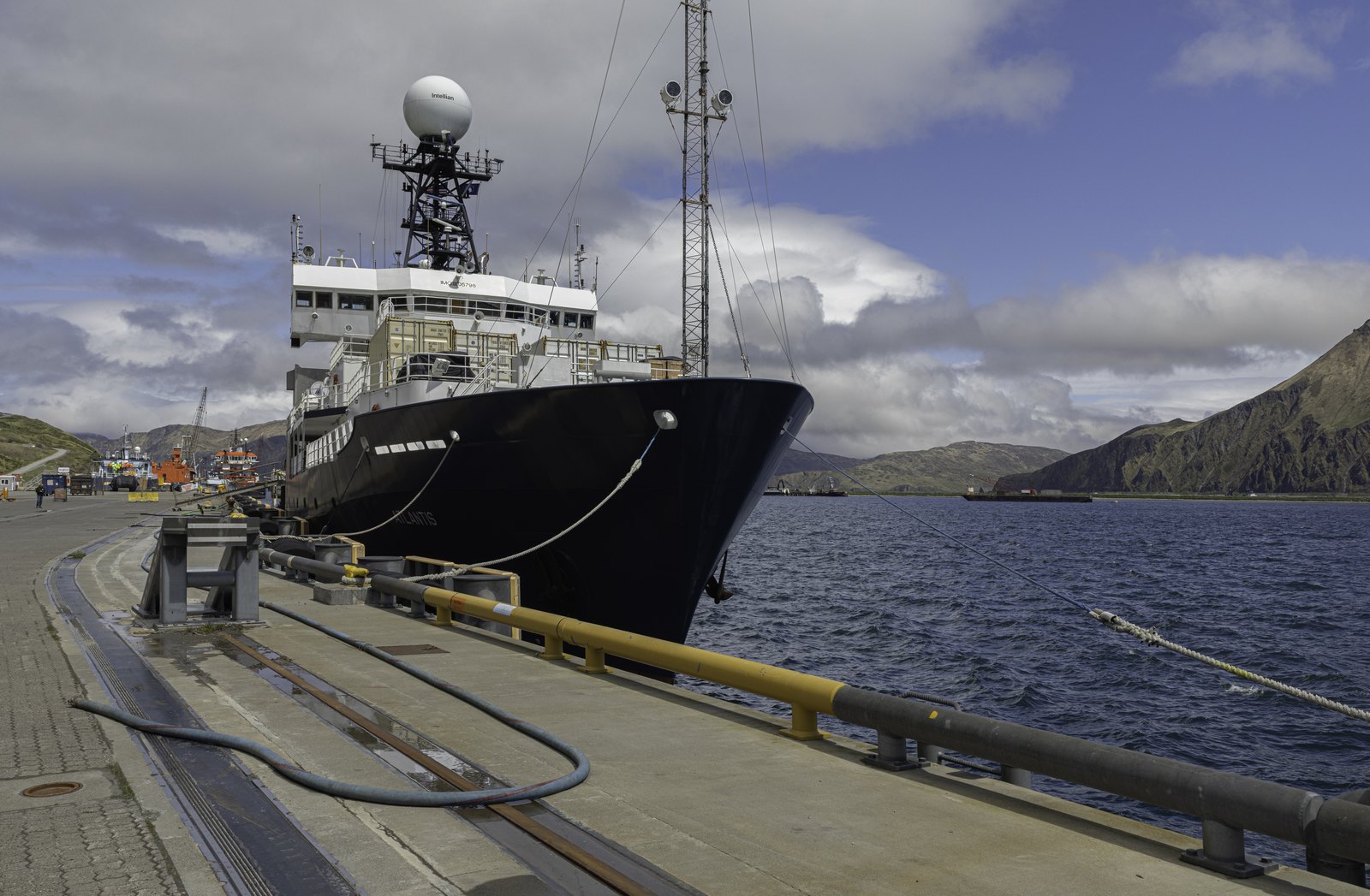
Community members—including representatives from the Qawalangin Tribe of Unalaska, the Museum of the Aleutians, Unalaska City Council, local students, and other organizations—toured the Office of Naval Research’s 274-foot research vessel Atlantis. One of the biggest highlights? Seeing the U.S. Navy’s deep-diving submersible human-occupied vehicle (HOV) Alvin in person!
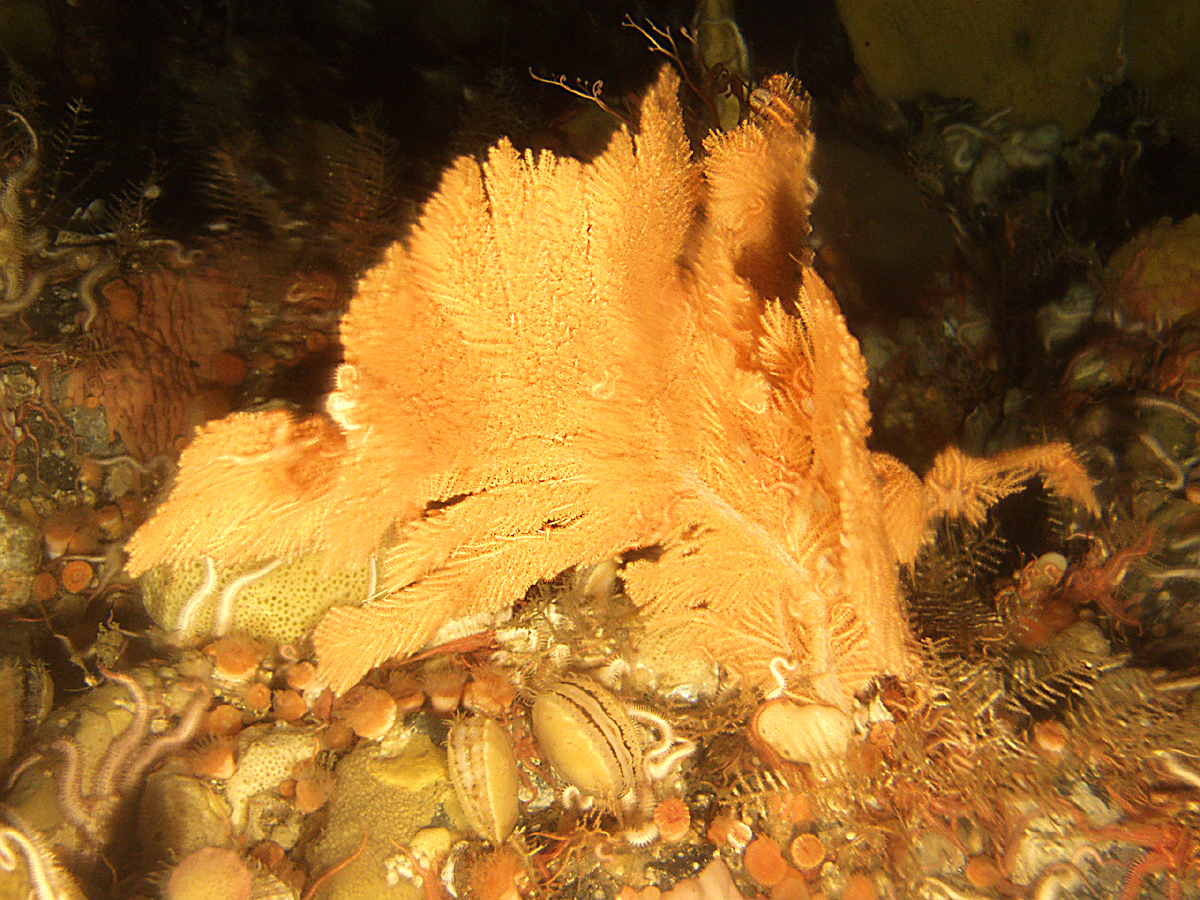
Dive into Tidepools – Museum of the Aleutians
Christina Bonsell, marine ecologist with BOEM, had the pleasure of leading this hands-on event at the Museum of the Aleutians, where visitors of all ages got an up-close look at the incredible marine life found right in their own backyard. From sea stars to anemones, attendees explored tidepool creatures and learned about local biodiversity through interactive touch tanks and engaging conversations about life in the nearshore ocean.

“Exploring the Deep Sea: Hidden Habitats, Volcanoes, and More!” – Public Talk at the Unalaska Library
Scientists from the expedition team—including Bonsell, Cathleen Yung (NOAA), Ashton Flinders (USGS), Katlin Bowman Adamczyk (USGS), and Stephanie Bush (SI)—gave a public presentation at the library, sharing the goals and the exciting science behind the 2025 Aleutian Arc Expedition.
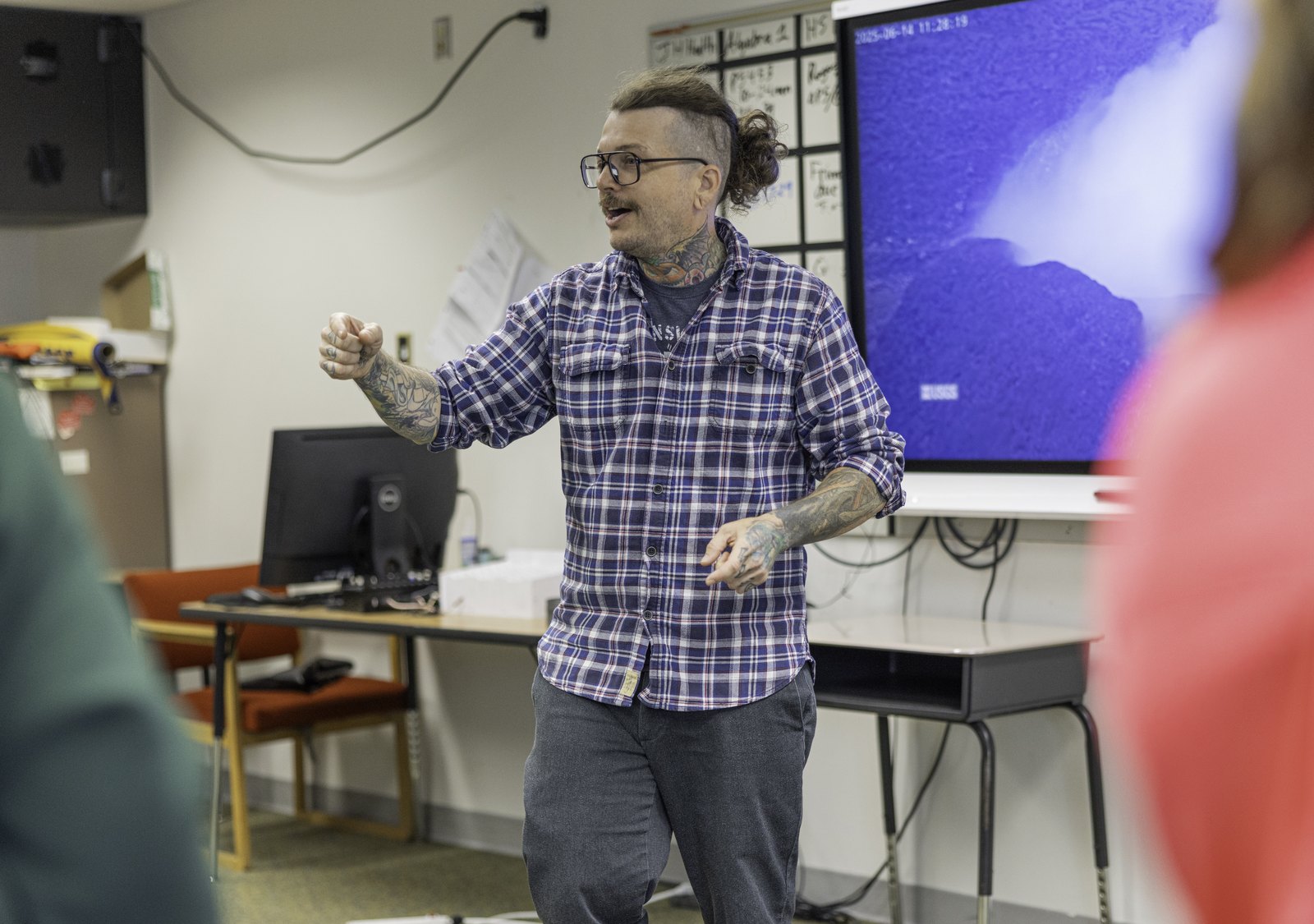
Ocean Discovery Day – Hands-on Science with Local Students
In partnership with the Qawalangin Tribe of Unalaska and the Museum of the Aleutians, the science team hosted a day of hands-on activities that brought deep sea science to life for local students:
- Deep Sea Biodiversity: Students learned how scientists use Alvin to explore life in the deep sea, led by Rhian Waller (Gothenburg University) and Lauren Rice (Florida State University).
- Traditional Boatbuilding: Keegan Salners, Matt Tutiakoff, and Anfesia Tutiakoff of the Qawalangin Tribe introduced students to iqyax (Aleutian kayak) design—and the students even built their own boats!
- Volcanoes and Earthquakes: Ashton Flinders (USGS) got students moving and learning as they became “earthquake-makers” and explored seismic waveforms.
- Archaeological Discoveries: Thomas McLenigan from the Museum of the Aleutians guided students through sorting fish, bird, and mammal bones from ancient midden material to reveal clues about past ecosystems.
- Deep Sea Pressure: Shannon Cofield (BOEM) explained the effects of deep-sea pressure, and students decorated foam cups that will travel to the ocean depths and shrink to amusingly-small size.
- Community Science and Ecosystem Knowledge: Shanoy Anderson from the Qawalangin Tribe led a discussion on local ecosystem observations and how to share them using the Local Environmental Observer (LEO) Network.
It was an honor to collaborate with dedicated local partners and organizations to make this action-packed week of activities a success. These events offered an incredible opportunity to share our science, inspire curiosity, and build lasting connections with the community.
We can’t wait to share the discoveries we make as this deep-sea expedition unfolds.