Key points
- China sponsors five of the ISA’s 32 exploration contracts, held by three entities: COMRA, China Minmetals and Beijing Pioneer Hi-Tech.
- COMRA’s Southwest Indian Ridge sulphides contract, signed November 18, 2011, has been extended twice and runs to November 17, 2026.
- China Minmetals signed its 15 year, 72,745 square kilometer nodule contract on May 12, 2017, and ran a collector vehicle test in Block A-5 from July to October 2025 at depths of 5,000 to 5,500 meters.
- Beijing Pioneer Hi-Tech signed China’s fifth contract on October 18, 2019, covering about 74,000 square kilometers of western Pacific nodules.
China sponsors five of the 32 exploration contracts administered by the International Seabed Authority, ISA, the largest share of any single state. Three entities hold those contracts, and between them they cover all three minerals the ISA regulates: polymetallic nodules, polymetallic sulphides and cobalt-rich crusts. A much larger set of government bodies, research institutes, shipyards and universities stands behind them. The sections below go through each one and what it has actually done.
The policy machinery

The Ministry of Natural Resources supervises China’s seabed minerals program. Day-to-day administration sits with its China Deep Ocean Affairs Administration, a bureau-level body that operates as one organization under two nameplates with the China Ocean Mineral Resources Research and Development Association, COMRA. The administration drafts the program’s implementing rules and handles deep-seabed licensing.
Three dates mark how the program’s policy standing has risen:
- February 2016. The Law on the Exploration and Development of Resources in Deep Seabed Areas is adopted on February 26, in force from May 1. It requires Chinese contractors working in the international seabed to be licensed at home.
- March 2025. Deep-sea technology enters the Government Work Report for the first time, added in the final revised text and listed alongside commercial space and the low-altitude economy as emerging industries to be developed.
- October 2025. The recommendations for the 15th Five-Year Plan make the marine domain a standalone task under the maritime-power agenda and call for support systems for deep-sea and polar exploration. Analysts read that as elevating seabed resources, though the published text does not use the phrase seabed critical minerals.
The China Geological Survey runs the state’s marine geological surveying, much of it through its Guangzhou Marine Geological Survey bureau, whose fleet includes the Haiyang Dizhi 6, 8 and 10 survey vessels. The survey also owns and operates the new ocean drilling vessel Mengxiang. Two projects show what that infrastructure can do:
- Gas hydrates. The survey led China’s two offshore hydrate production tests in the Shenhu area of the South China Sea: a 60-day test from May 10 to July 9, 2017 that produced about 309,000 cubic meters of gas, and a 30-day horizontal-well test in February and March 2020 that produced 861,400 cubic meters. Hydrates belong to the energy side of the deep-sea program, but the same ships and people serve both.
- Seabed mapping. In April 2026 the survey published a seabed geochemical atlas of the Bohai, Yellow and East China seas, built from about 20,000 sampling sites collected over two decades. Those are shallow marginal seas, so the atlas maps China’s nearshore rather than its deep-sea holdings.
The three contract holders
COMRA
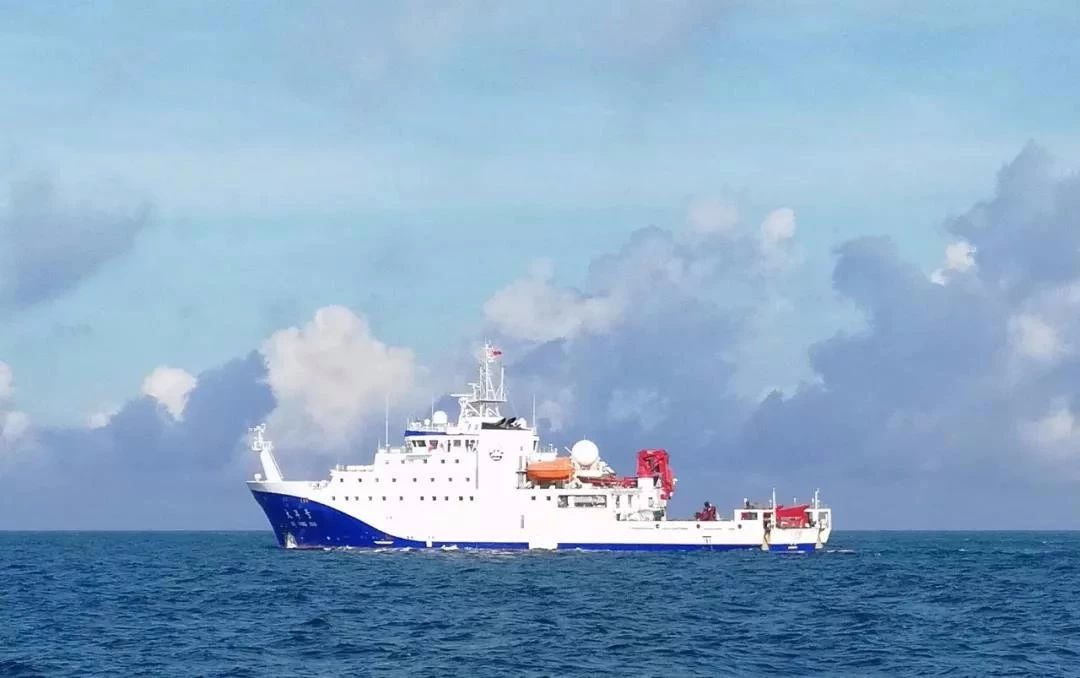
COMRA has carried the program since the 1990s and holds three of the five contracts: polymetallic nodules in the Clarion-Clipperton Zone, signed May 22, 2001; polymetallic sulphides on the Southwest Indian Ridge, signed November 18, 2011; and cobalt-rich ferromanganese crusts in the western Pacific, signed April 29, 2014. The sulphides contract has been extended twice and runs to November 17, 2026.
COMRA runs its own survey fleet. The Dayang Yihao (Ocean No. 1), a 5,600-tonne ship built in 1984 at the Kherson shipyard and acquired by China in 1994, carried most of the association’s early cruises out of Qingdao. The newer Da Yang Hao, about 4,600 tonnes, designed by the 701 Research Institute and built by Huangpu Wenchong, was delivered to the Ministry of Natural Resources in July 2019, is based with the ministry’s Second Institute of Oceanography in Zhoushan, and has since carried COMRA survey work as far as the South Pacific. Its most recent contract-area voyage, Dayang Cruise 95, returned to Shenzhen in July 2026 after drilling and sampling at the Southwest Indian Ridge sulphide area.
China Minmetals Corporation
China Minmetals, the state-owned metals group, became the country’s second nodule contractor when the ISA Council approved its plan of work on July 20, 2015. The 15-year contract, signed May 12, 2017, covers 72,745 square kilometers in the Clarion-Clipperton Zone, taken from ISA reserved areas.
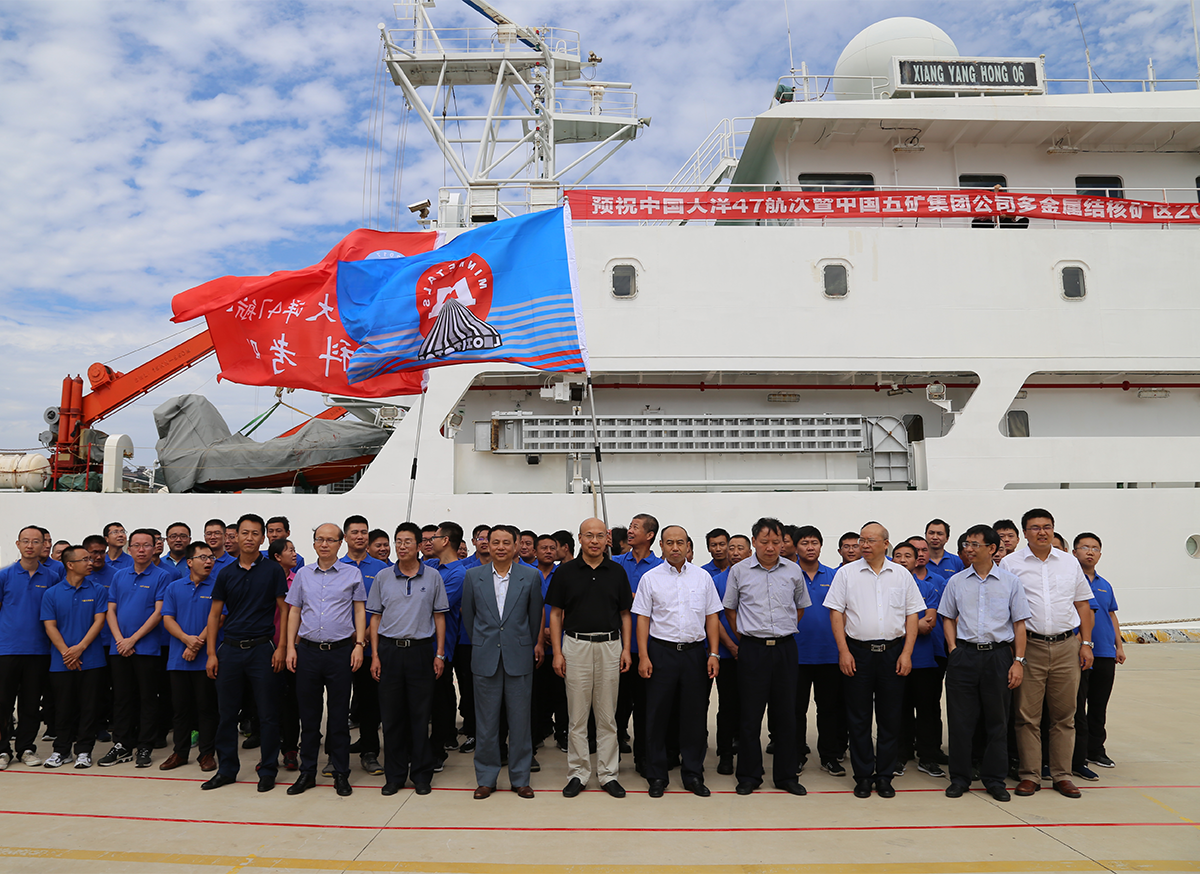
In April 2024 the ISA opened a stakeholder consultation on the environmental impact statement for a collector vehicle test in Block A-5 of the contract area. In May 2025 the ISA told the company that its Legal and Technical Commission had concluded its review and recommended the statement be incorporated into its program of activities, a step Minmetals described as China’s first approved test EIS and the world’s fifth. The test window ran July through October 2025 at depths of 5,000 to 5,500 meters. The Changsha Research Institute of Mining and Metallurgy was the lead implementing unit.
Beijing Pioneer Hi-Tech Development Corporation
Beijing Pioneer Hi-Tech, which the ISA describes as a state-owned enterprise affiliated with the Ministry of Natural Resources, signed the country’s fifth contract on October 18, 2019: polymetallic nodules across roughly 74,000 square kilometers of the western Pacific, the reserved half of a 148,250 square kilometer application area. The company was registered in Beijing in 1993 and its precise corporate parentage is not disclosed in public records. It has run its own survey cruises, including China Ocean cruise DY69, which departed Xiamen in September 2021.

In April 2024 it launched an ISA stakeholder consultation on the environmental impact statement for a 1:5-scale test of its suspended nodule collector and buffer station, then planned for the second half of 2025 in a 500 by 500 meter area at Magoshichi Guyot in Block M2 of its contract area. The company has also funded ISA at-sea training berths, with five candidates selected in mid-2023.
The equipment builders and their trials
Changsha Research Institute of Mining and Metallurgy (CRIMM)
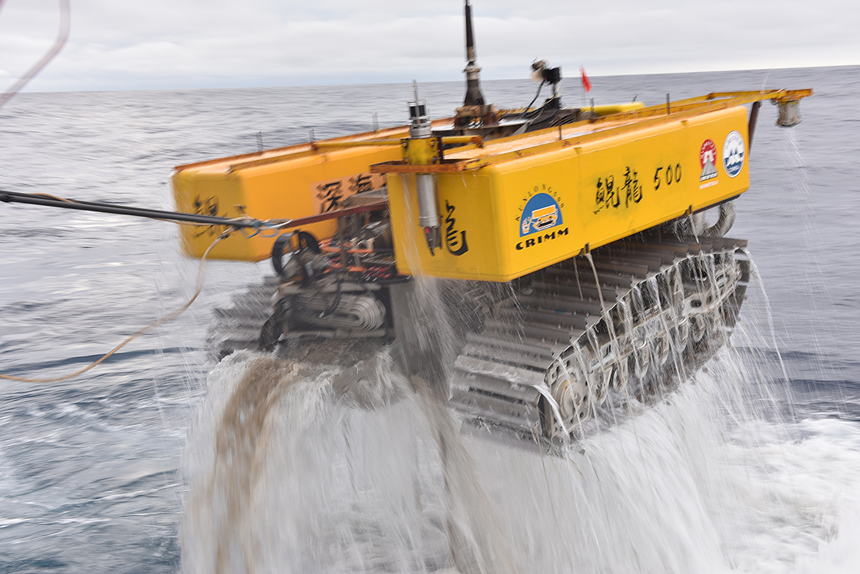
CRIMM, a China Minmetals subsidiary in Changsha, has built and tested most of the country’s seabed mining hardware. It hosts the State Key Laboratory of Deep-Sea Mineral Resources Development and Utilization Technology, approved in 2007 among the first enterprise-based state key laboratories. It remains China’s only national-level laboratory dedicated to deep-sea mining technology.
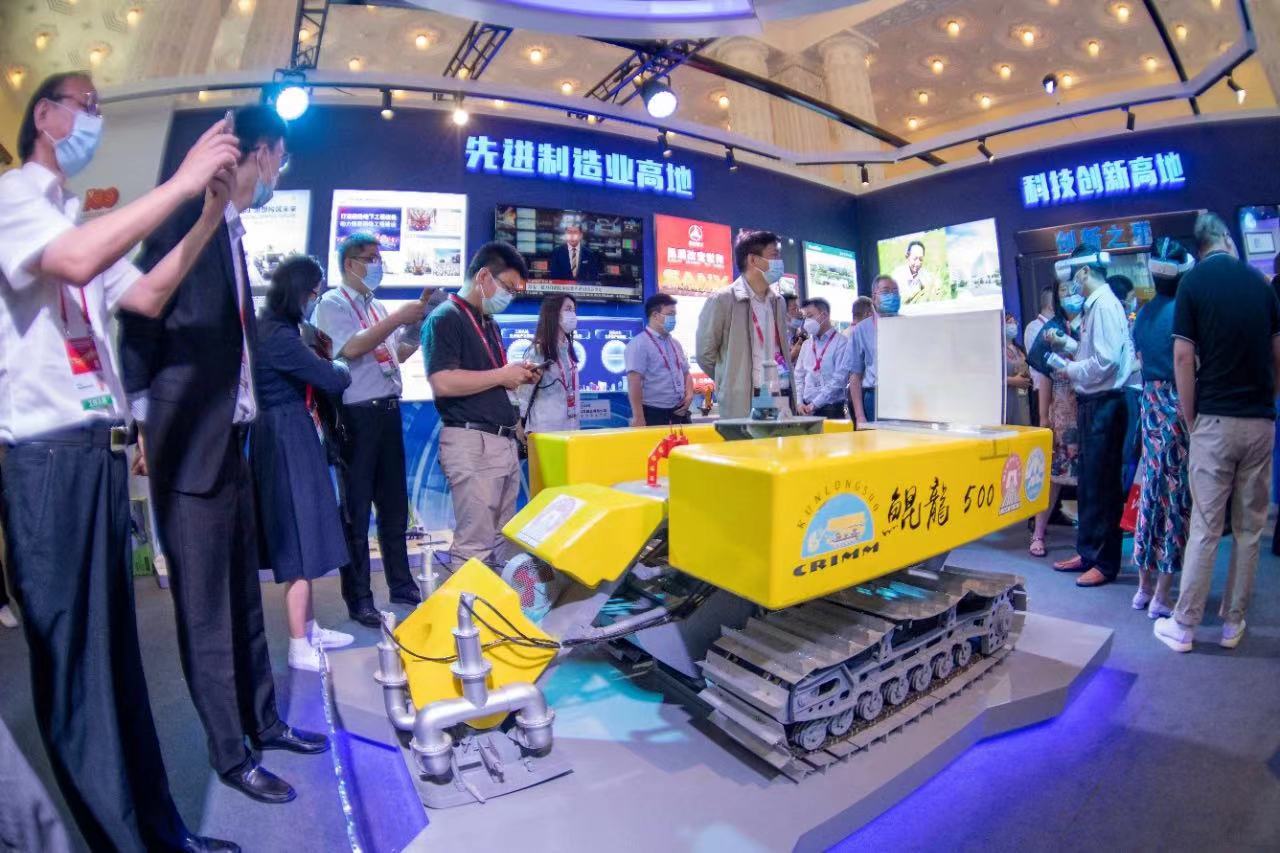
China’s first deep-sea ore-lifting pump and pipe system completed a 300-meter-class South China Sea trial in June 2016 under the national 863 program. The institute’s Kunlong 500 nodule collector completed China’s first 500-meter collection system sea trial with 11 dives to a maximum of 514 meters, passing expert acceptance on September 26, 2018. In August 2021 CRIMM ran the 500-meter-class sea trial of the Changyuan Hao intelligent lifting system in the Xisha area; that project is a national key R&D program led by Dalian University of Technology. The same year, the state key laboratory and Central South University completed a 3,500-meter-rated mining vehicle at one-tenth commercial scale, along with a lift pump and pipeline test system rated beyond 1,000 meters.
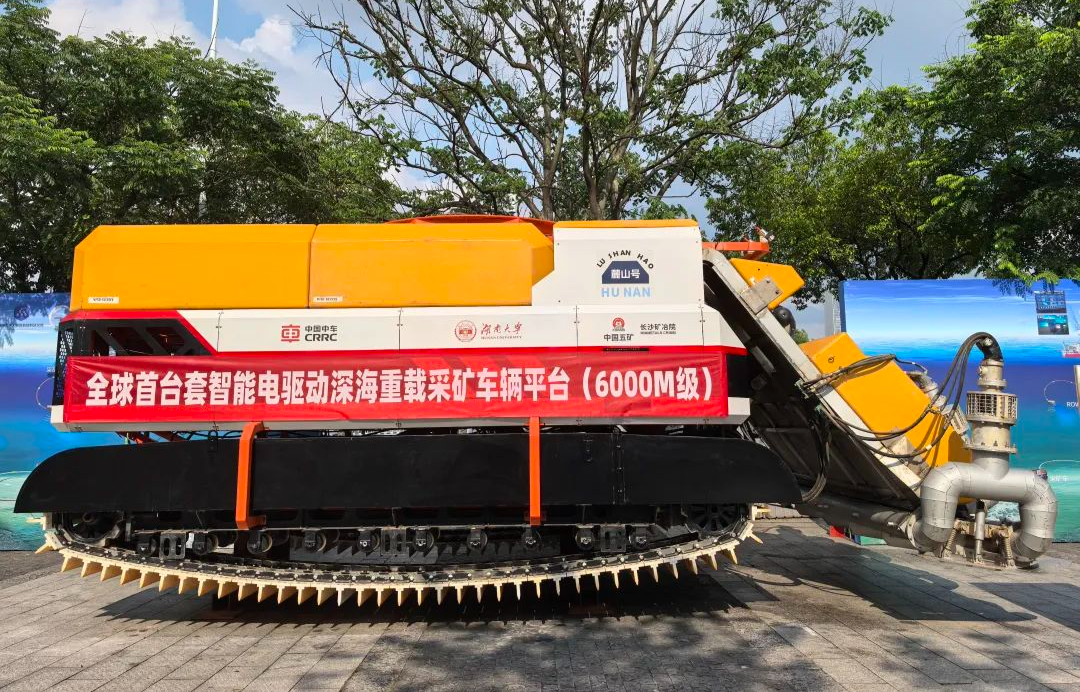
CRIMM organizes the annual survey cruises to the Minmetals contract area; the 2025 cruise returned in January 2026. In April 2026, Minmetals founded its group-level Deep-Sea Resources Development Committee at the institute.
China State Shipbuilding Corporation (CSSC)
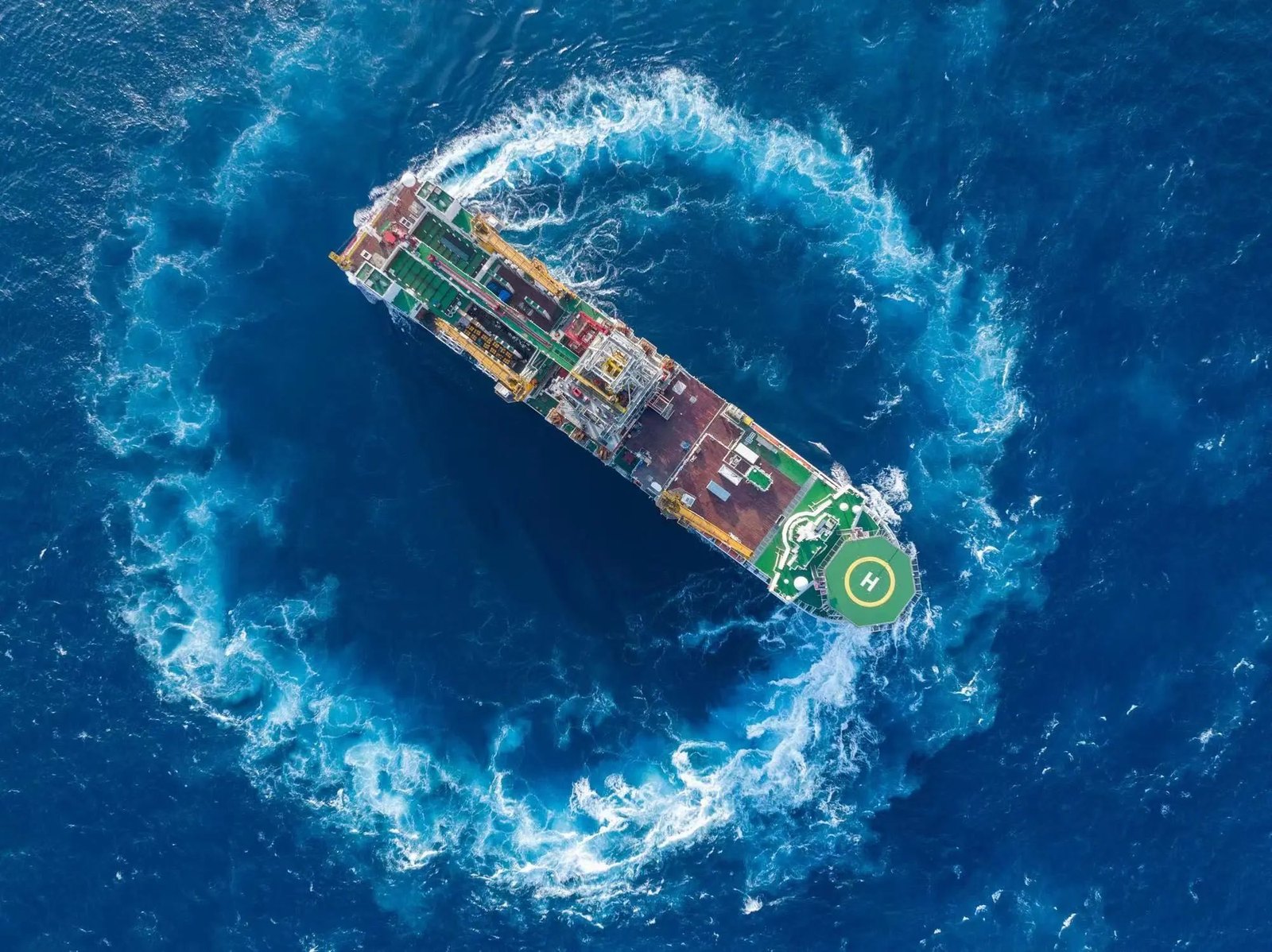
CSSC built the program’s flagship. Its Huangpu Wenchong yard assembled Mengxiang (Dream), China’s first domestically built ocean drilling vessel, designed by the 708 Research Institute for the China Geological Survey. The ship is about 33,000 gross tons and 179.8 meters long, with a stated maximum drilling depth of 11,000 meters. The ship was named and began sea trials on December 18, 2023 and entered service at Nansha, Guangzhou on November 17, 2024.
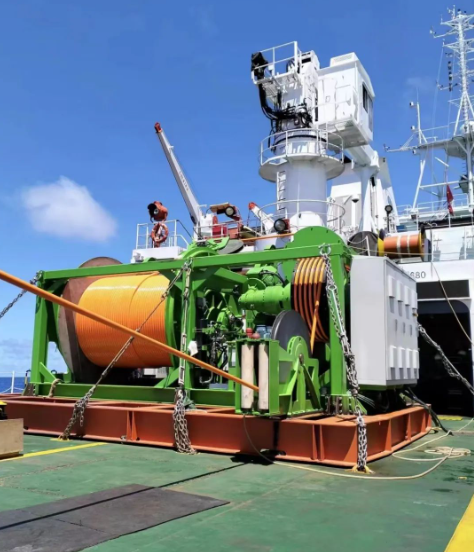
Two CSSC research institutes supply mining-specific equipment. The 702 Research Institute’s 21-tonne polymetallic sulfide mining vehicle completed its first shallow-sea trial off Lianyungang on December 18, 2023, validating seabed cutting, suction collection and heavy-load launch and recovery. The 704 Research Institute’s heavy-load winch supported the June 2024 Kaituo 2 dives. Industry coverage called it the first time Chinese launch-and-recovery equipment had handled a mining vehicle at the 4,000-meter class.
Another Chinese yard built the industry’s first mining ship. Fujian Mawei Shipbuilding launched the world’s first purpose-designed deep-sea mining production support vessel for Nautilus Minerals in March 2018. Nautilus collapsed the following year and the unfinished hull changed hands several times. Dutch contractor Boskalis eventually converted it into the rock installation vessel Windpiper, which began work on a Baltic offshore wind farm in July 2026.
Shanghai Jiao Tong University and the test infrastructure
The university’s Kaituo (Pioneer) series is the other active collector line. Kaituo 1 completed dives to 1,305 meters in the Xisha area in July and August 2021. In June 2024, Kaituo 2 deployed from the research vessel Xiang Yang Hong 03 in the western Pacific. It made five dives, the deepest to 4,102.8 meters, and collected more than 200 kilograms of polymetallic crusts and nodules. No Chinese mining vehicle had worked below 4,000 meters before.
Onshore, the dredging technology national engineering research center of China Communications Construction Company is building a full-system land-based deep-sea mining test platform on Changxing Island in Shanghai with Shanghai Jiao Tong University, listed in 2024 among Shanghai’s future-industry test field projects. Central South University in Changsha has worked on lift pumps and pipeline transport since the 1990s and partners with CRIMM’s state key laboratory.
The submersible fleets and training infrastructure
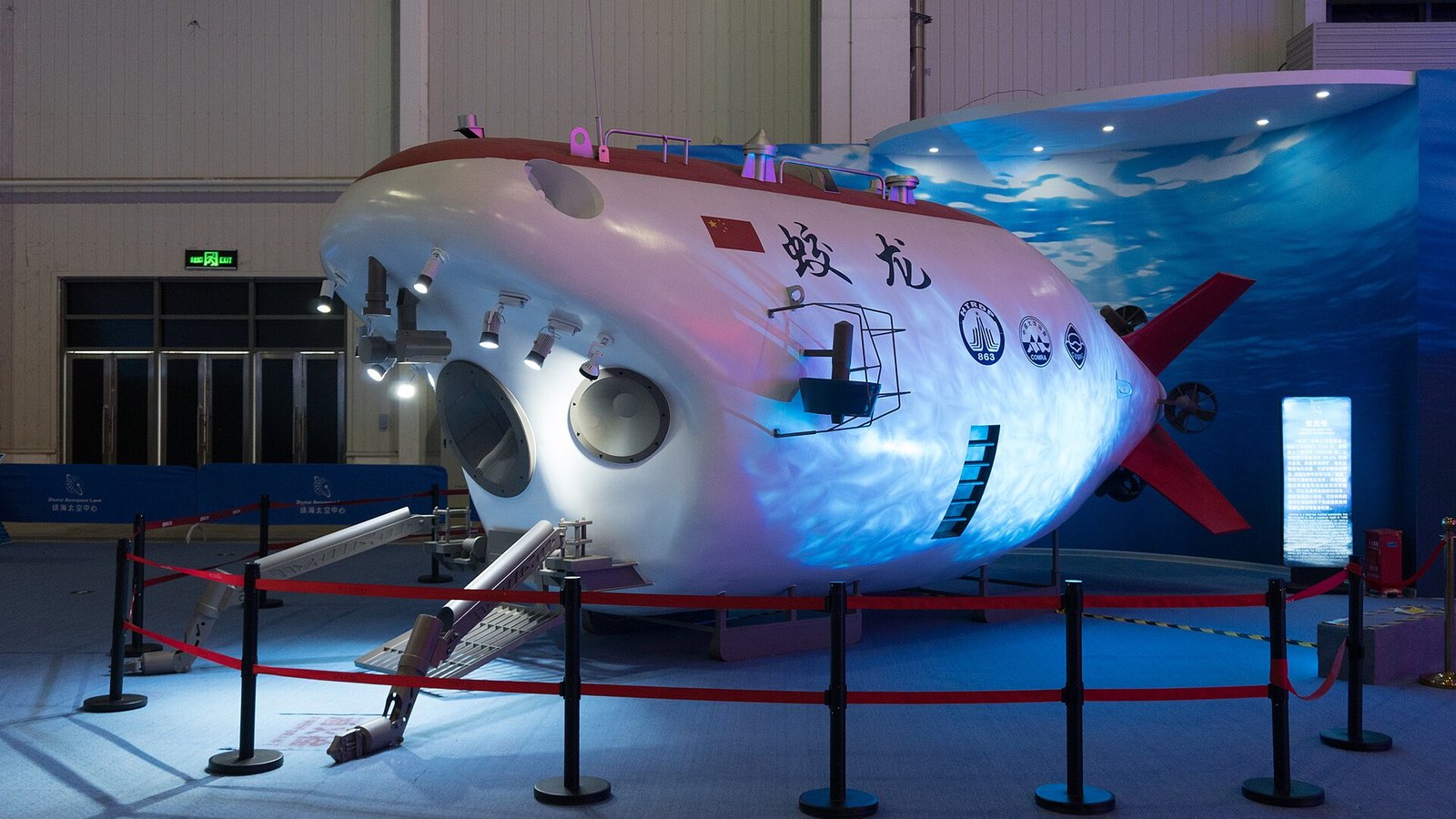
The National Deep Sea Center in Qingdao operates Jiaolong, the manned submersible that reached 7,062 meters in the Mariana Trench on June 27, 2012, along with the Hailong remotely operated vehicles and Qianlong autonomous vehicles. Jiaolong has worked directly in China’s contract areas: between December 2014 and March 2015 it made ten dives at the Longqi hydrothermal field, its first inside COMRA’s sulphide contract area on the Southwest Indian Ridge. The center also hosts the ISA-China Joint Training and Research Centre, the ISA’s first such center, launched in November 2020, which has trained more than 100 experts from developing states.
The Institute of Deep-sea Science and Engineering of the Chinese Academy of Sciences, operational in Sanya since May 2016, runs the other manned fleet: Shenhai Yongshi (Deep Sea Warrior), a 4,500-meter-class submersible commissioned in 2017, and Fendouzhe (Striver), which reached 10,909 meters in the Challenger Deep on November 10, 2020. Sanya’s Yazhou Bay science city is being built out around the institute as a national deep-sea technology hub.
The Second Institute of Oceanography in Hangzhou supplies much of the science behind COMRA’s sulphide holdings; its researchers led the discovery of the first active hydrothermal fields on the Southwest Indian Ridge. Since April 24, 2025 it also hosts the BRICS Deep-Sea Resources International Research Center, announced by Xi Jinping at the Kazan summit in October 2024, covering deep-sea minerals, oil and gas, environment and equipment.
The corporate build-out
In July 2024, China Minmetals, China Merchants Group and CSSC launched the Deep-Earth and Deep-Sea Mineral Resources Exploration and Development Future Industry Innovation Consortium in Beijing. Ten central state-owned enterprises and eleven universities and institutes joined. China Merchants general manager Shi Dai serves as joint commander of the deep-sea side.
China National Offshore Oil Corporation, CNOOC, became the newest entrant in early 2026, writing the exploration and development of ocean specialty mineral resources into its own 15th Five-Year Plan objectives, according to Chinese financial press reports in May 2026 that also described group inspections of marine-mineral test facilities and cooperation discussions with CRIMM.
The deep-sea technology line in the March 2025 Government Work Report set off a rally in A-share marine-technology stocks. Few of the companies that rallied do any seabed-minerals work. The real programs sit with unlisted state parents like Minmetals and with research institutes.
The private companies

The private sector is small. Sealien Robotics (Shenhai Zhiren), a Guangzhou work-class ROV and subsea trencher maker founded in 2021, says its founding engineers came from a European subsea robotics company; its revenue base is subsea cables and offshore energy. In April 2026 the company told a visiting State Council research delegation that it had begun early-stage work on next-generation mining robotics, and Chinese technology press reported in August 2026 that it had closed a Series A round of more than 500 million yuan, with investors including Shenzhen Hi-Tech Investment and Guangzhou GCH Group. Rainbowfish Ocean Technology in Shanghai, founded in 2014 around an 11,000-meter hadal program, markets deep-sea equipment and survey services but has no seabed-minerals contract. No second private Chinese company with a stated nodule-collection product has surfaced.
Beyond the contract areas
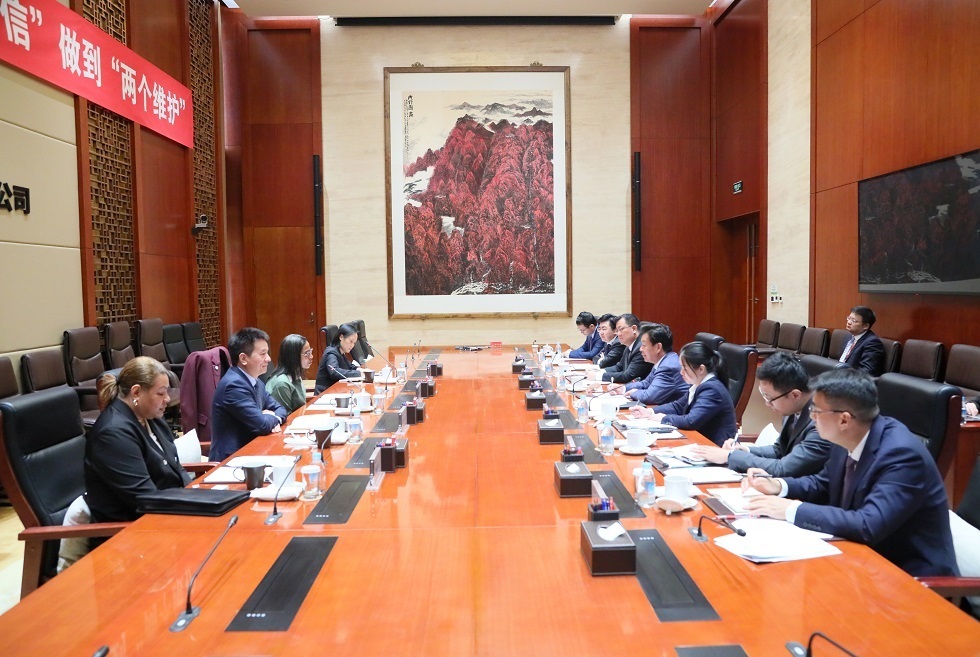
China is also active in other countries’ waters. In February 2025 the Cook Islands Seabed Minerals Authority and China’s Ministry of Natural Resources signed a five-year memorandum covering exploration research, training and technology transfer, explicitly not a license grant, as part of a comprehensive strategic partnership that drew protests from New Zealand. In March 2025, Kiribati opened deep-sea mining partnership talks with China after its state company’s agreement with The Metals Company ended in late 2024. And at the ISA Council sessions in March and July 2025, China pressed for early adoption of the exploitation regulations, calling them the Council’s top priority and warning against unilateral routes to mining outside the treaty system.
What to watch
- Results and environmental data from the China Minmetals Block A-5 collector vehicle test, whose approved window ran July through October 2025.
- Reporting from Beijing Pioneer Hi-Tech’s 1:5-scale collector and buffer station test at Magoshichi Guyot. The window was set for the second half of 2025 and results have not yet been reported.
- COMRA’s Southwest Indian Ridge sulphides contract, which runs to November 17, 2026 after two extensions.
- Mengxiang’s first full drilling expeditions for the China Geological Survey.
- The ISA Council’s continuing negotiation of the exploitation regulations, which China has called the Council’s top priority.
- How the 15th Five-Year Plan (2026-2030) carries its deep-sea provisions into ministry and state-enterprise programs, along with any CNOOC disclosure of its ocean-minerals objectives.