Key points
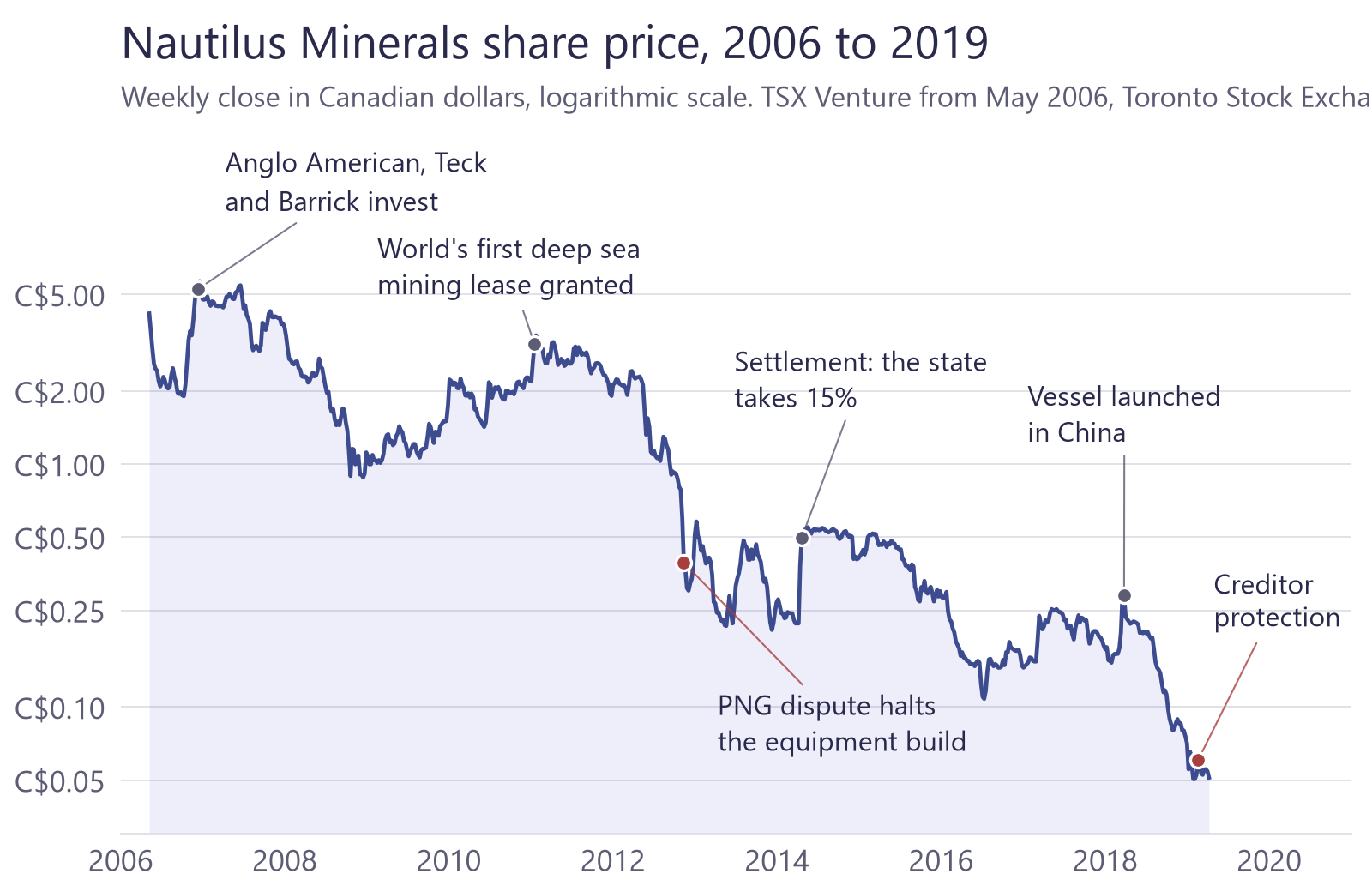
- Papua New Guinea granted Nautilus mining lease ML154 on January 17, 2011, the world’s first deep sea mining lease.
- Nautilus went public on May 9, 2006 through a reverse takeover, after a private placement raised C$25 million at C$2.00 a share.
- Barrick, Anglo American, Alisher Usmanov’s company and Teck Cominco all bought stakes in Nautilus during 2006 and 2007.
- The 2011 resource estimate for Solwara 1 gave 1.03 million tonnes indicated at 7.2% copper and 5.0 g/t gold before the company ran out of money in early 2019.
Nautilus Minerals got closer to mining the deep ocean than any company before or since. It raised more than US$500 million, won the world’s first deep sea mining lease, built the first deep sea hard rock cutting machines and launched a 227 meter production ship. The mining itself never happened. The company ran out of money in early 2019.
The licence and the listing
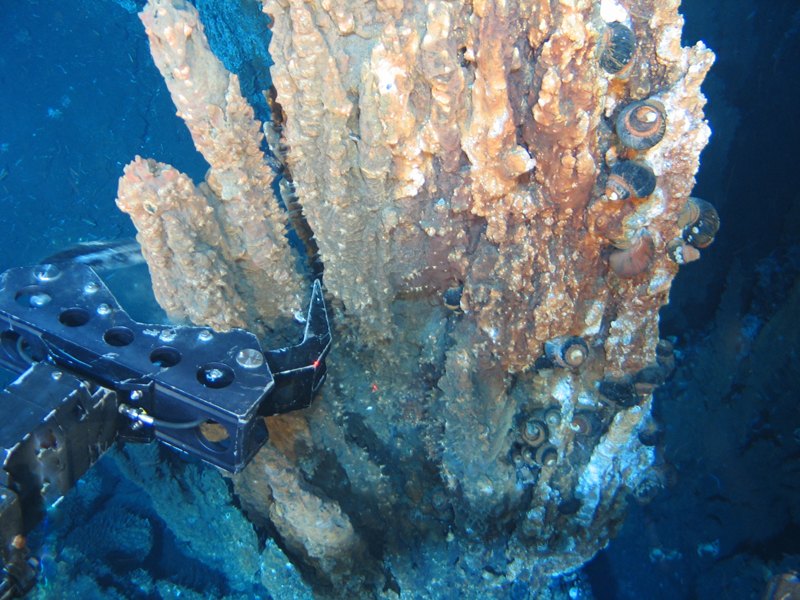
In 1997 Papua New Guinea became the first country to grant exploration licences over seafloor massive sulfide deposits. Licence EL1196 covered a vent field 1,600 meters down in the Bismarck Sea, then called Suzette and later renamed Solwara 1.
These deposits form at submarine volcanoes, where superheated water carrying dissolved metal vents into cold seawater and drops its load as chimneys and mounds of copper, gold, silver and zinc. They are the same kind of orebody as the volcanogenic massive sulfides mined on land at Kidd Creek, except still forming.
Placer Dome farmed in during 2004 and spent more than US$12.2 million. A 2005 dredge program averaged 15.5 g/t gold and 12.2% copper across 39 samples. On May 9, 2006 the business went public through a reverse takeover of an oil and gas shell, and began trading on the TSX Venture Exchange the next day. A concurrent private placement had raised C$25 million at C$2.00 a share. The stock opened at C$3.00 and closed its first day at C$3.25. Geoffrey Loudon, who had helped develop the Lihir gold mine, chaired the board. David Heydon was chief executive.
Three majors and an oligarch
Nautilus raised about US$295 million in its first nine months as a public company. Roughly a third of that came from strategic investors, the rest from institutions in London and North America.
- Barrick converted the spending it had inherited from Placer Dome into a 9.59% stake in 2006.
- Anglo American paid US$25 million for 11.46% in November 2006, at US$3.00 per share.
- A company owned by Alisher Usmanov, principal of the Russian iron ore group Metalloinvest, paid US$43.5 million in the same placement.
- Teck Cominco invested US$25 million at US$3.30 a month later, with an option that could have seen it spend US$100 million earning into four new areas across Papua New Guinea, Fiji and Tonga.
A London listing followed in February 2007, with Numis underwriting a placing of 50.8 million pounds at 185 pence. By the end of 2007 the treasury held US$312 million and the shares had moved up to the main Toronto board. They reached an intraday high of C$7.39 on December 11, 2006, the day the Teck financing closed, at a company with no mining lease, no reserves and no revenue.
Finding the deposits
In November 2006 Nautilus applied for 47 licences covering 108,295 square kilometers of the Bismarck Sea, a staking campaign Heydon called “likely one of the biggest ground staking ever undertaken by a mining company” over an area the company compared to Greece. By 2011 it held about 230,000 square kilometers and had applied for a further 370,000, across Papua New Guinea, Tonga, Fiji, the Solomon Islands, Vanuatu and New Zealand.
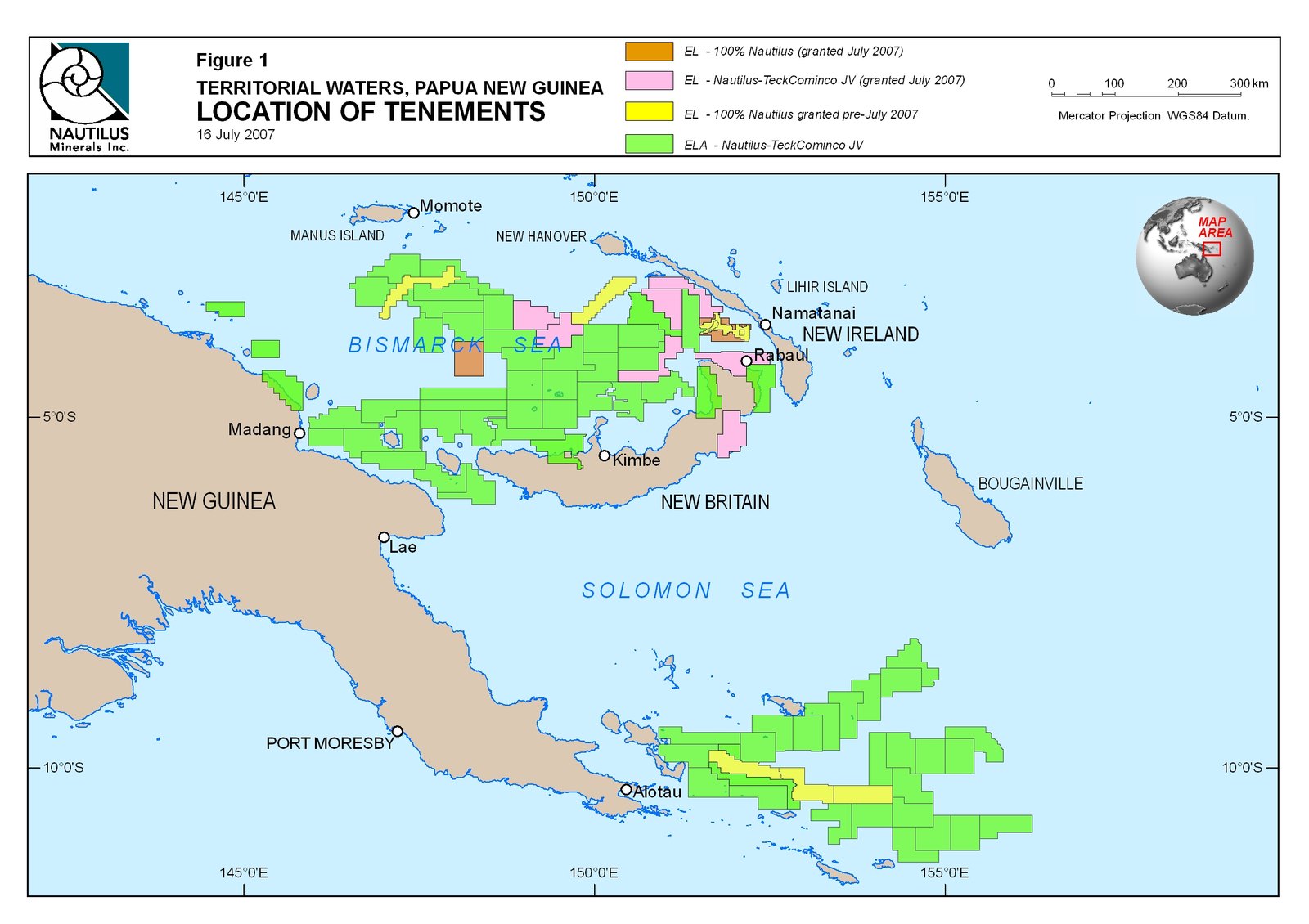
The 2007 season put two vessels on the water for 200 days, drilled 111 holes into Solwara 1 with seafloor drills mounted on remotely operated vehicles, and included the first commercial electromagnetic survey ever run over a seafloor sulfide system. By 2010 the company had defined 18 sulfide systems in the Bismarck Sea and numbered its prospects up to Solwara 19, with vent fields named Fenway, Satanic Mills, Roman Ruins and Snowcap. One grab sample from a field called Tsukushi returned 66.5 g/t gold. In Tonga, four new systems were found in nine days of ROV time in 2008, and the first 17 laboratory samples averaged 16.4 g/t gold.
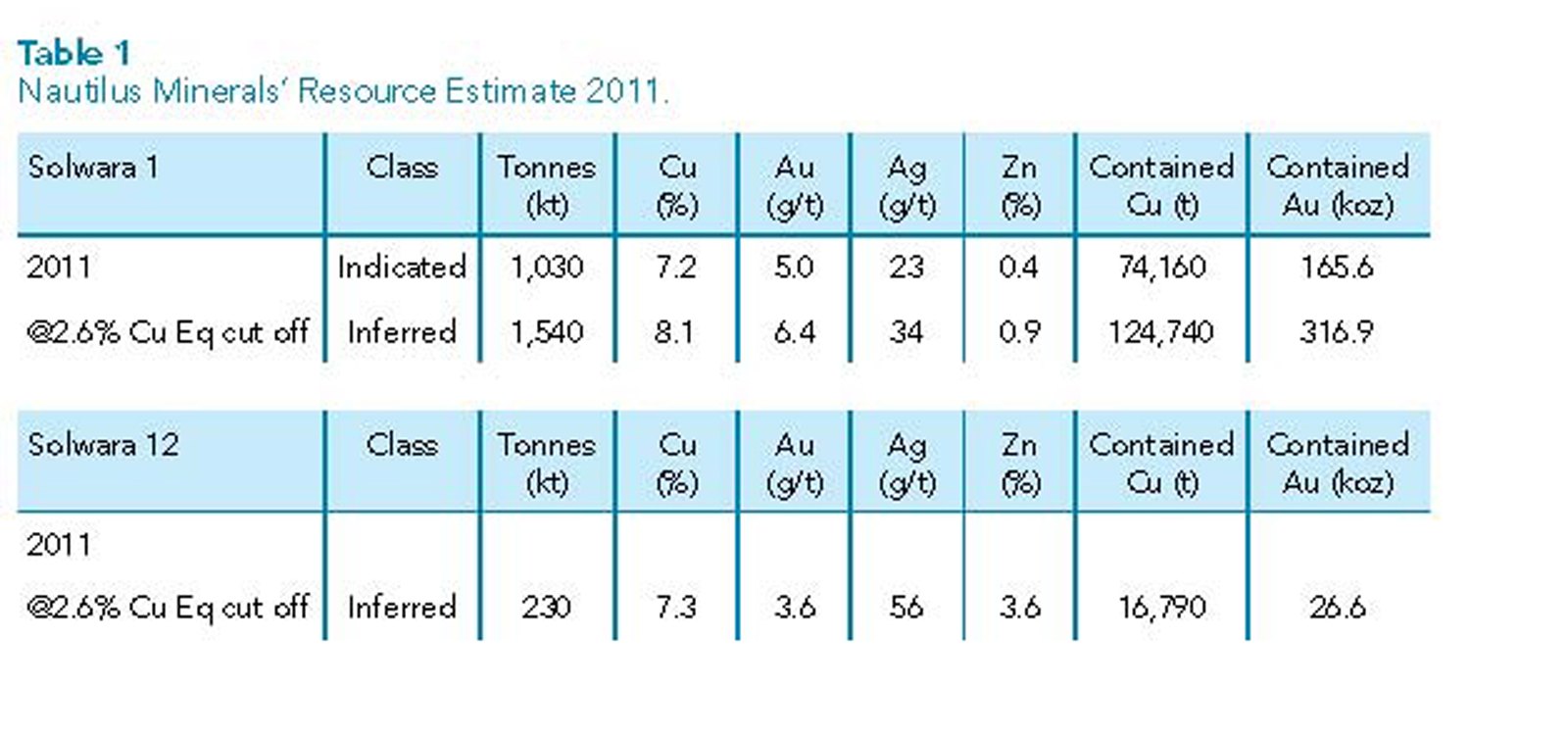
In December 2007 Golder Associates signed off the first NI 43-101 resource estimate ever compiled for a seafloor deposit, NI 43-101 being the Canadian reporting standard. An update in November 2011 gave Solwara 1 1.03 million tonnes indicated at 7.2% copper and 5.0 g/t gold, with a further 1.54 million tonnes inferred at 8.1% copper. The deposit was very small by land standards and very rich. Copper grades on land average about 0.6%.
The financial crisis interrupted the plan. In December 2008 the board deferred the equipment build, cut about 30% of staff and cancelled its first vessel charter. Cash stood at US$266.6 million at the end of September that year and US$231.2 million at year end. Work restarted in 2010.
The first mining lease
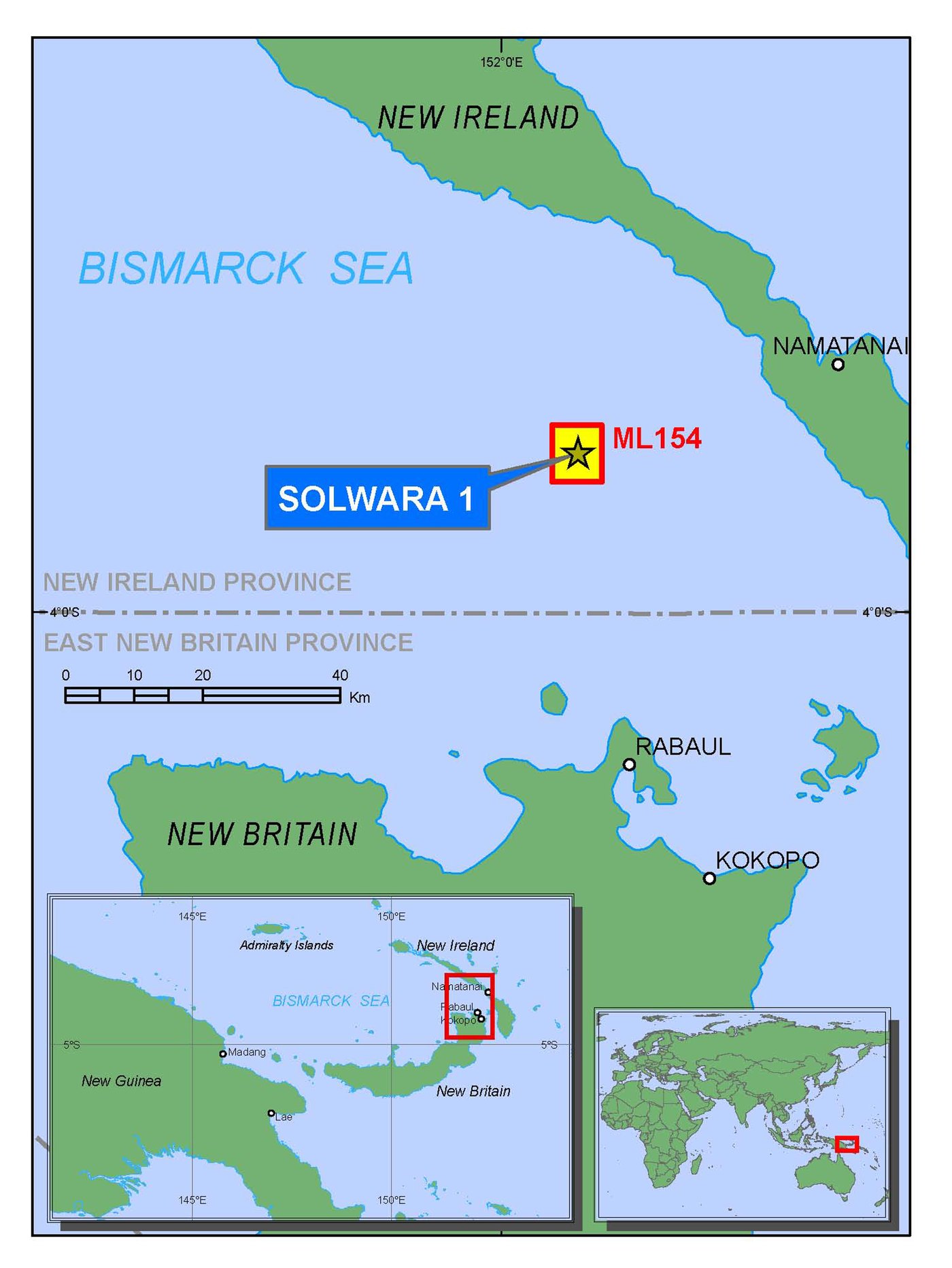
Nautilus filed its environmental impact statement in November 2008 and received an environment permit in December 2009 for a 25 year term. On January 17, 2011 PNG granted mining lease ML154, the first deep sea mining lease issued anywhere: 20 years over 59 square kilometers of seabed about 50 kilometers north of Rabaul.
“This historic decision to grant a lease over a deep-sea deposit is a major step forward for this new frontier,” said Stephen Rogers, the offshore engineering executive who had replaced Heydon as chief executive in 2008. Two months later, on March 29, 2011, PNG exercised its right to buy 30% of the project at cost, about US$24 million at that point. The board sanctioned construction that October.
The mine plan
Solwara 1 sat on the flank and crest of a volcanic mound rising 150 to 200 meters off the seafloor, with sulfide chimneys standing 2 to 10 meters proud of the surface and occasionally 15. Under an average of about two meters of soft sediment, and a little more consolidated material below that, the main sulfide horizon ran from nothing to 29 meters thick.
The first remotely operated drills could only reach 18 to 19 meters, and 40% of those holes ended in mineralization. The 2010 and 2011 campaign went deeper, reaching 52 meters below the seafloor, finding copper rich rock at 29 meters and leaving the deposit open at depth. The plan was to strip the cover, cut down through the sulfide and work across a mining area of about 0.1 square kilometers.
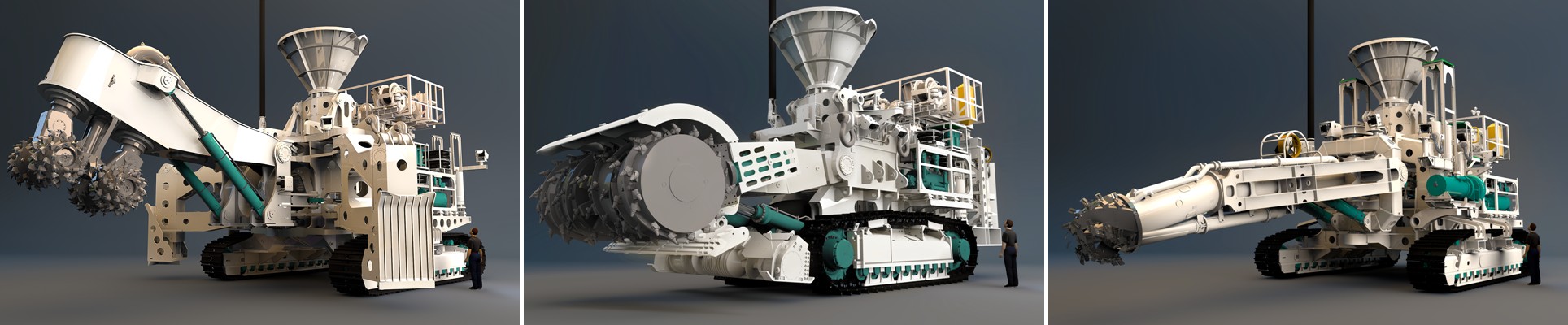
Dredging was ruled out by the water depth and by how competent the massive sulfide was, so the rock had to be cut. The mound also falls away at 15 to 30 degrees and locally steeper, which is why the work was split between three machines instead of one. Soil Machine Dynamics of Newcastle upon Tyne built them, and they remain the only fleet of purpose built deep sea hard rock cutting machines ever completed.
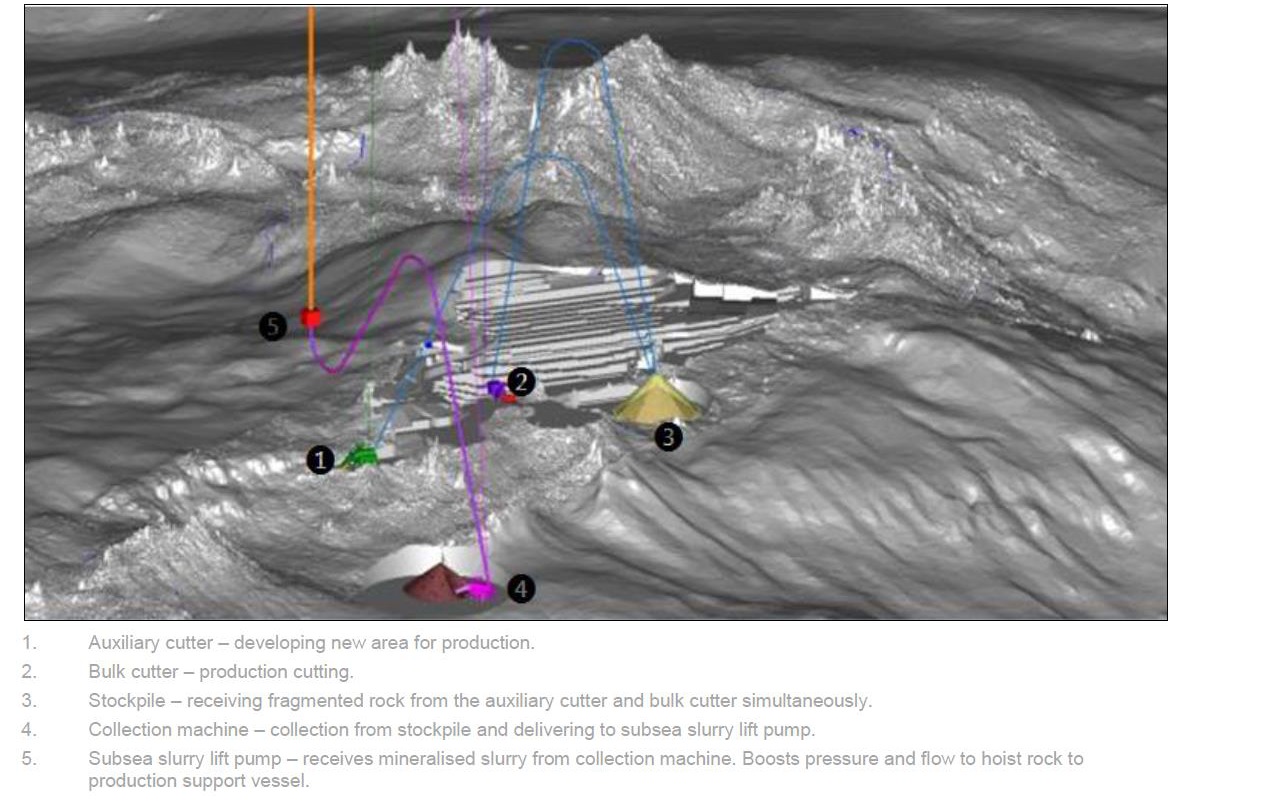
- The auxiliary cutter, 250 tonnes and about 15.8 meters long, went first. It worked on tracks with spud assistance and a boom mounted cutting head, carving flat benches out of broken ground so the heavier machine could follow.
- The bulk cutter, 310 tonnes and the heaviest of the three, did the volume mining from those benches. Its cutting drum was designed and built by Sandvik in Austria.
- The collecting machine, 200 tonnes and the lightest, drew the cut rock in as a seawater slurry and pumped it to the riser.
All three ran on Caterpillar track sets, Damen dredge pumps and Bosch Rexroth hydraulics.
Both cutters fed a stockpile on the seafloor, and the collecting machine worked from that stockpile rather than from the cutting face, so the three could run independently.
None of the three carried its own power. Each hung off an armoured umbilical 2,500 meters long carrying power and fibre optic control from the ship, spooled on a winch weighing about 85 tonnes. Cutting behaviour for the bulk cutter was modelled beforehand with CSIRO, Deltares, Cellula Robotics and Istanbul Technical University, among others, because no one had cut sulfide rock at that depth before.
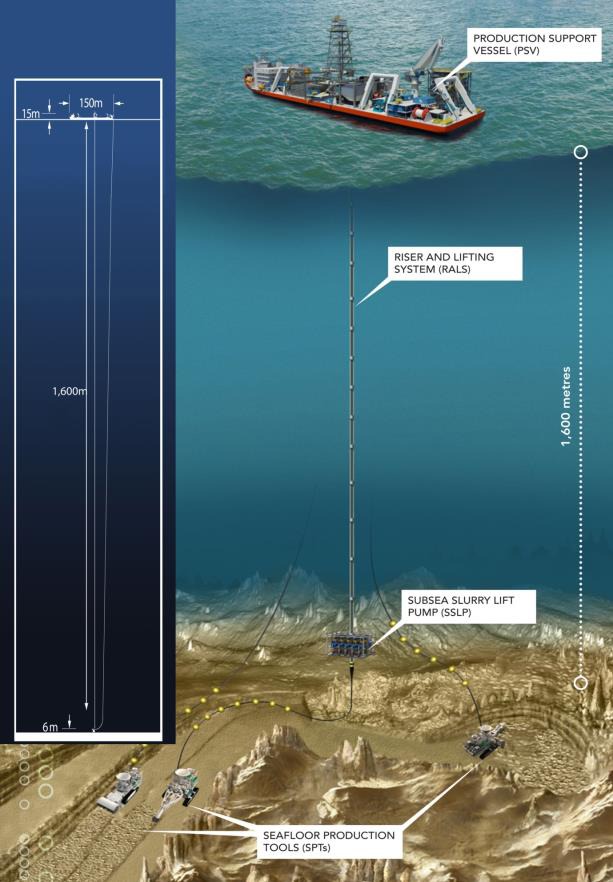
The rest of the system came from offshore oil and gas. A subsea slurry lift pump from GE Hydril raised the slurry 1,600 meters through a rigid riser built by General Marine Contractors. On the ship a dewatering plant filtered the water and pumped it back down to discharge near the seafloor, and the dried material would go straight onto Handymax bulk carriers alongside for shipment to China. An earlier plan to barge ore 50 kilometers to Rabaul was dropped, and nothing was to be stockpiled on land in PNG. Tongling Nonferrous, the largest importer of copper concentrate in China, signed as the first customer in April 2012. The 2010 definition study put capital cost at US$383 million, excluding the ship.
Nautilus never wrote a feasibility study, and said so in its filings. Management took the view that the company was best served by demonstrating that adapted offshore technology could cut and recover high grade sulfides from the deep ocean, and the 2012 annual filing added that “there is significant risk with this approach.”
The fight with the state
The state never completed its 30% purchase. Each side accused the other of breaching the agreement, and in June 2012 PNG served notice of arbitration. The parties agreed the following month on Murray Gleeson, a former Chief Justice of the High Court of Australia, who sat in Sydney. At one point the state issued its own press release on the newswire objecting to how Nautilus had described the dispute.
The state’s refusal had several causes. The purchase had been endorsed under Sir Michael Somare’s government, in a March 2011 letter in which the treasurer, Peter O’Neill, told Nautilus the National Executive Council had approved the exercise. By August 2011 O’Neill was prime minister, and the commitment fell to a treasury already borrowing to fund the state’s share of the ExxonMobil led PNG LNG project, then under construction. The bill was also growing: the stake was priced at cost, so every month of construction spending raised the state’s share. A September 2012 statement from the government listed its other objections: a 30% share of the intellectual property behind the seafloor mining system, which the agreement left with Nautilus, equal stakes in both joint venture companies, a 90% voting threshold on major decisions rather than the simple majority on offer, and proof that Nautilus had secured the rest of the project financing. A grassroots campaign against seabed mining was collecting signatures in the coastal provinces nearest the deposit at the same time, 24,000 of them in the end, and paying more than US$100 million into an unproven mine had become politically expensive.
Rogers stepped down at the end of October 2012 and Mike Johnston, who had joined in 2006, took over as chief executive. Two weeks later, carrying the state’s share of costs, Nautilus terminated the equipment build on November 13, 2012 with the system 55% complete and made about 60 people redundant. The shares had traded as high as C$2.90 in March 2012 and fell to a low of 27 cents in December. A month after that an Ottawa algorithmic trader announced a 97 cent, C$238 million all cash offer for the company, with a closing date misprinted as 2010. It disappeared without a share changing hands.
MB Holding, the Omani mining and energy group founded by Dr. Mohammed Al Barwani, had entered the register in 2011 and now kept the company going. The London listing was cancelled in March 2013 for lack of liquidity and the cost of maintaining it, and MB stood behind a C$40 million rights offering at 20 cents that closed in June 2013, taking its stake to 28%.
Gleeson ruled for Nautilus on October 3, 2013 and ordered the state to complete the 30% purchase, by then about US$118 million with interest. PNG never paid under the award. A settlement signed on April 24, 2014 instead reduced the state to 15%, held through Eda Kopa (Solwara) Limited, for US$120 million in total, and the joint venture was formed on December 11, 2014 when US$113 million came out of escrow.
Building the ship
Marine Assets Corporation of Dubai agreed in November 2014 to own the production support vessel and charter it to Nautilus at US$199,910 a day for at least five years, and contracted Fujian Mawei Shipbuilding to build it. The design ran to 227 meters long and 40 meters across, with berths for 180 and a 200 tonne crane rated to work 2,500 meters down.
In December 2014 Nautilus wired the US$10 million vessel deposit to a bank account it believed belonged to Marine Assets. Both companies had been hacked, and the money went to an account that was not theirs. It was never recovered, and the two companies agreed to treat the loss as a prepayment of the charter guarantee. First steel was cut in September 2015, and a 220 meter hull was floating in the dry dock fourteen weeks after the first block was laid in June 2016. The machines were finished and handed over in February 2016, then shipped to Duqm in Oman.
The nodule side of the business matured at the same time. Tonga Offshore Mining Limited, granted about 75,000 square kilometers in the Clarion Clipperton Zone by the International Seabed Authority in July 2011 as one of its first private sector contractors, carried an inferred resource of 685 million wet tonnes of nickel, copper, cobalt and manganese nodules by May 2016.
Funding did not keep pace with construction. A C$103 million rights offering in early 2016 raised only C$28.3 million, a take up of 27%. Metalloinvest had said it intended to participate and then bought nothing, its stake falling from about 20% to 14%. In August 2016 the company cut roughly 60% of its remaining staff and agreed a US$20 million equity subscription with its two anchor shareholders, drawn in monthly tranches of up to US$2 million. Shareholders approved it in October, the first tranche came in that December, and only US$12 million was ever drawn.
Trials, and the end
The machines were tested between April 2017 and February 2018 in a flooded pit at Motukea Island near Port Moresby, in front of regulators and provincial representatives. The auxiliary cutter cut about 770 tonnes of trial rock that Nautilus assessed as at least three times harder than the Solwara 1 mineralization. That was as close to mining as the company got.
The preliminary economic assessment published on February 27, 2018 was the only economics the project ever released: 29 months of production, US$243 million of capital still to spend, a net present value of US$56 million at a 15% discount rate, and steady state cash costs of US$0.80 per pound of copper. Chief executive Mike Johnston said the figures showed “the potentially seriously disruptive nature of sea floor mining to the world’s mining industry.”
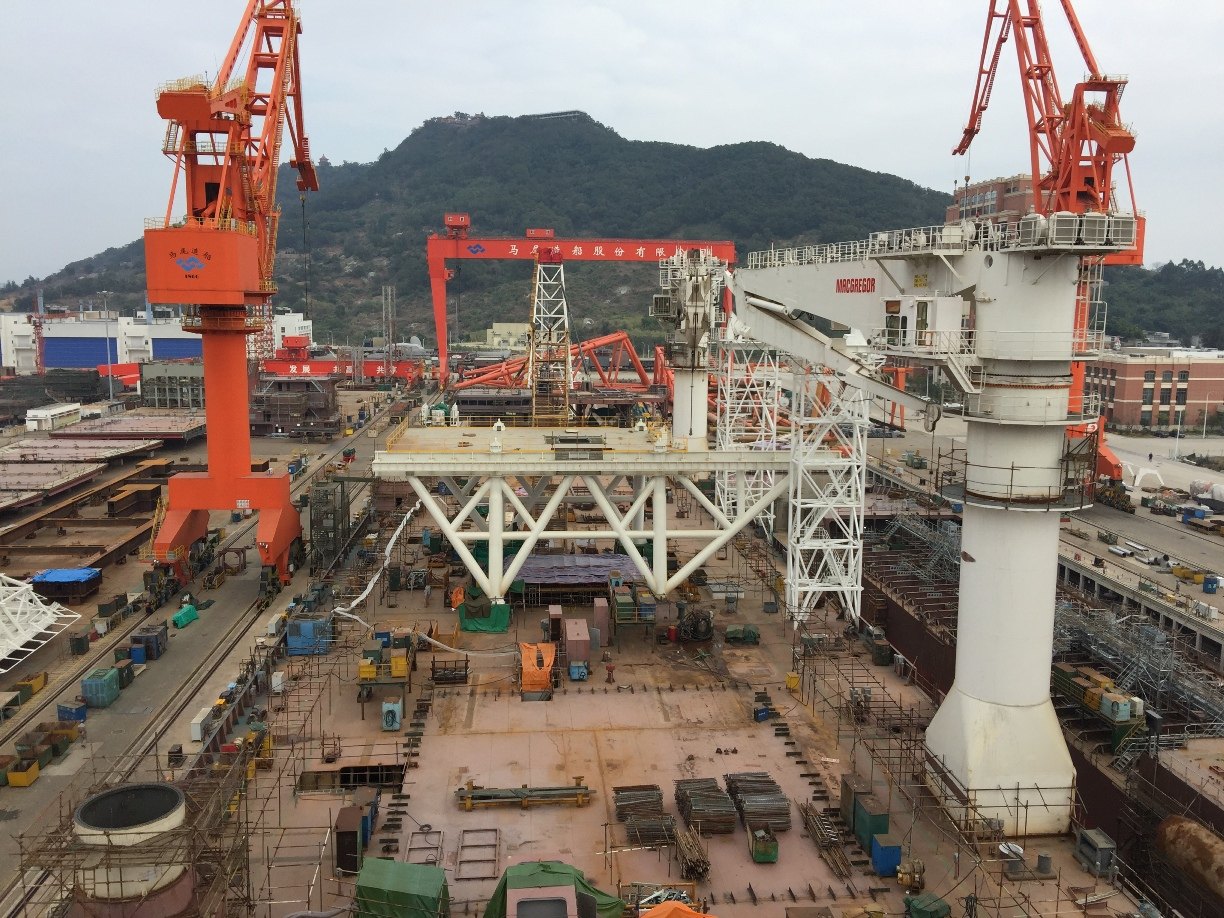
The funding had already run down. Cash fell from US$26.8 million at the end of 2016 to US$240,636 at the end of 2017. On December 11, 2017 the shipyard gave notice that the vessel owning company had missed the third instalment on the ship, about US$18 million. It was never paid.
Deep Sea Mining Finance Ltd., owned half by a Metalloinvest affiliate and half by MB Holding’s Mawarid, filled the gap. Director Mark Horn resigned from the Nautilus board in October 2017 to run it, and it was appointed exclusive financial adviser on terms including 6% equity and 5% debt success fees. It then became the lender: a US$34 million secured facility at 8% interest, warrants at 17 cents for every 23.28 US cents advanced, security over the group’s intellectual property and its 85% of Solwara 1, and approval rights over the monthly budget. It advanced US$18.25 million in tranches ranging from US$3 million down to US$300,000.
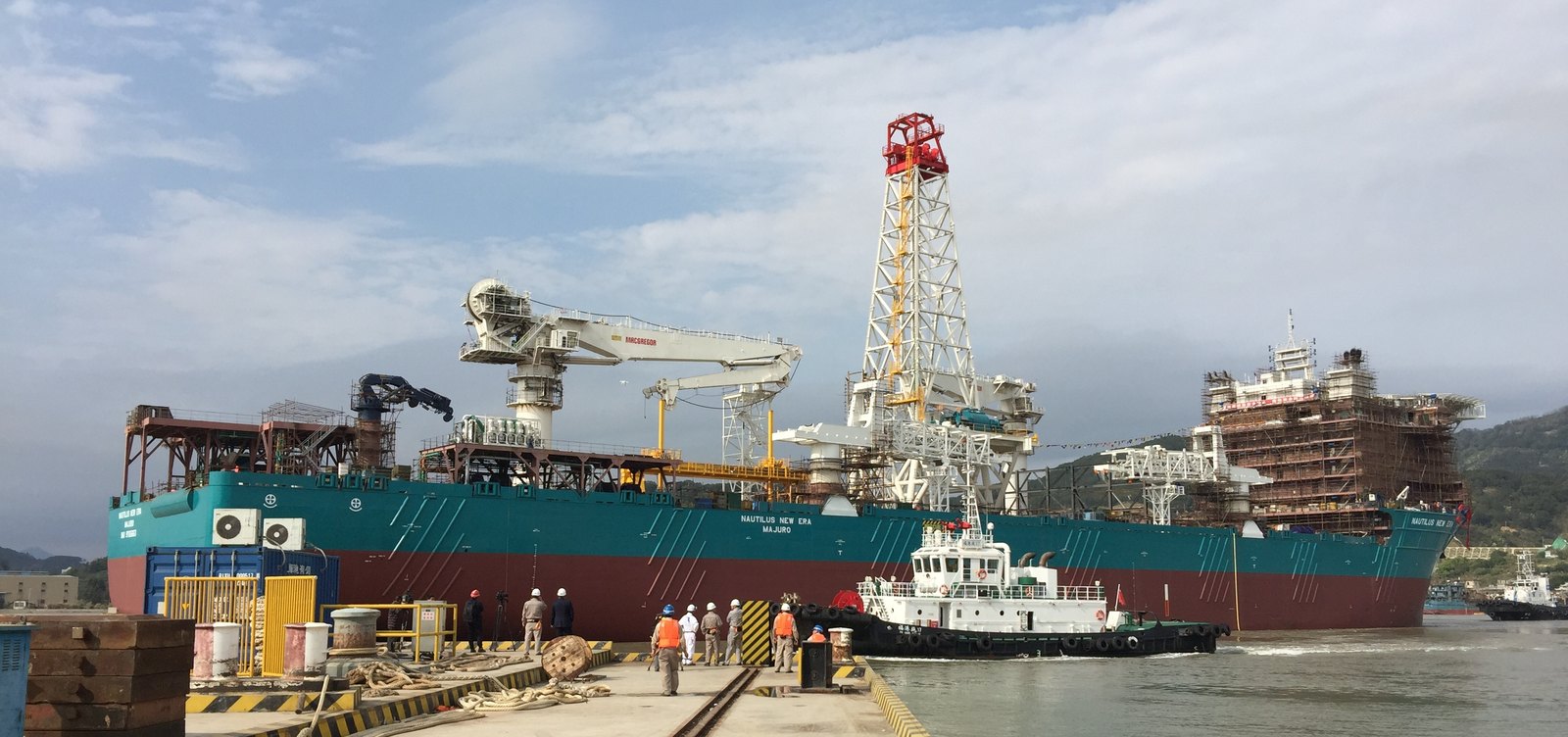
The ship was launched on March 29, 2018 as the Nautilus New Era, about 75% complete. On July 4, 2018 the yard cancelled the shipbuilding contract over the unpaid instalment. Johnston left in August. What followed was quick:
- February 21, 2019: Nautilus obtained creditor protection under the Companies’ Creditors Arrangement Act, Canada’s court supervised restructuring regime, with PricewaterhouseCoopers as monitor.
- April 3, 2019: the Toronto Stock Exchange delisted the shares.
- June 17, 2019: the court run sale process ended without a third party buyer.
- November 12, 2019: the assets were sold to Deep Sea Mining Finance, leaving the two largest shareholders owning them without Nautilus in between.
Papua New Guinea’s prime minister announced a ten year moratorium on seabed mining in 2019, and in 2023 PNG joined a Melanesian Spearhead Group moratorium covering member states’ territorial waters. Neither was written into national law. The three machines were last publicly located in storage in Oman and Papua New Guinea. A day by day chronology is on the Nautilus profile page, every press release the company issued is in the company archive, and it appears alongside its predecessors in our review of deep sea mining bankruptcies.
What is different now
Very little of today’s deep sea mining debate appears in the Nautilus story. It was a copper and gold company selling concentrate to a Chinese smelter on ordinary commercial terms. The International Seabed Authority barely features, because Solwara 1 sat inside PNG’s territorial waters and needed only Port Moresby’s consent.
The industry that followed is chasing different rock. Polymetallic nodules are potato sized lumps of nickel, cobalt, copper and manganese lying loose on the abyssal plain, and their metals appear on critical minerals lists and in defense stockpile debates rather than in ordinary concentrate markets. That changes the machine problem completely:
- Nautilus had to cut competent rock on slopes of 15 to 30 degrees, which took three tracked machines weighing 760 tonnes between them, plus benching, a seafloor stockpile and a separate collector.
- Nodules need no cutting. They are picked up off soft sediment, disturbing only the top few tens of centimeters, which is why a nodule operation runs one collector rather than a fleet.
- The trade is depth. Nodule fields sit at 4,000 to 6,000 meters, roughly three times deeper than Solwara 1, so the riser and lifting system carries the difficulty instead.
The jurisdictional route has changed too. On April 24, 2025 the Trump administration signed Executive Order 14285, Unleashing America’s Offshore Critical Minerals and Resources, directing NOAA to fast track seabed mining licences under the Deep Seabed Hard Mineral Resources Act of 1980. That is the United States’ own pre UNCLOS statute, and it bypasses the International Seabed Authority. The Metals Company’s US subsidiary applied five days later, consolidated its application in January 2026, and in August 2026 NOAA published that consolidated application in the Federal Register and, for a second application area, issued a notice of intent to prepare an environmental impact statement. The ISA has still not finished the exploitation code Nautilus was told to wait for, and its dispute with the American route has reached the courts.
Nautilus’s own assets are inside that story. Its nodule arm began in 2008 with US$1.3 million put into an ultradeepwater venture associated with Heydon as he left the company. Out of that came Tonga Offshore Mining and a half interest in Nauru Ocean Resources, which Nautilus traded away to take full ownership of TOML. Both companies sit inside The Metals Company today, and the seabed their contracts cover is what its American application rests on.
What Nautilus lacked was an investor base willing to fund a first of its kind project all the way to production. Its register narrowed to two strategic holders who became its adviser, then its lender, then the owner of its assets. The companies working the same ground now raise money on Nasdaq and cite White House policy in their permit applications. Solwara 1 has still not been mined. The lease granted in January 2011 has years left to run over some of the highest grade copper ever put into a resource estimate.