Key points
- The US contributes US$50 million and New Zealand contributes NZ$17.5 million, about US$10 million, to the Penrhyn port project.
- Cook Islands Prime Minister Mark Brown, New Zealand Foreign Minister Winston Peters and US Deputy Secretary of State Christopher Landau signed the agreement in Palau on September 1.
- The Cook Islands’ three nodule exploration licenses, signed February 23, 2022, were extended five years on November 13, 2025, pushing any mining decision to at least 2032.
- Moana Minerals holds the 23,630 square kilometer EL3 license, whose Moana-1 deposit carries a 417 million tonne indicated resource, more than 800 kilometers south of Penrhyn.
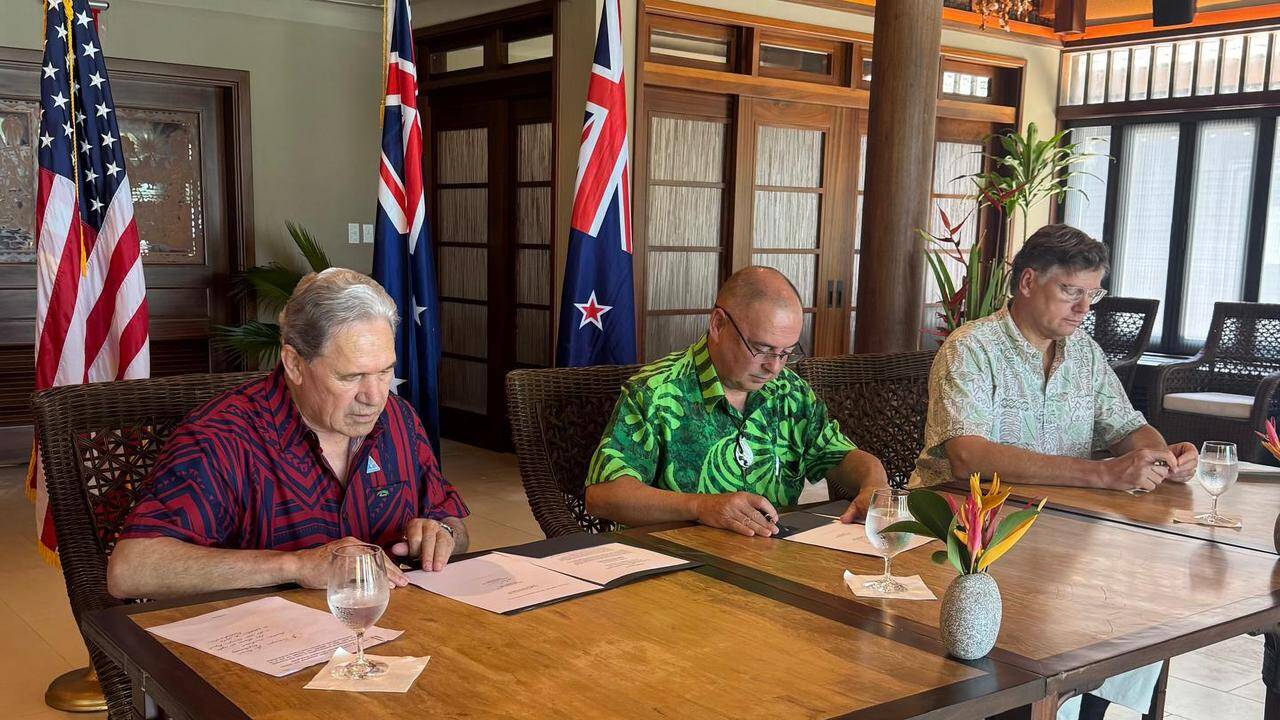
The United States and New Zealand will co-fund a US$60 million upgrade of the port at Penrhyn, the northernmost island in the Cook Islands. Cook Islands Prime Minister Mark Brown, New Zealand Foreign Minister Winston Peters and US Deputy Secretary of State Christopher Landau announced it in Palau on September 1, ahead of the Pacific Islands Forum leaders meeting.
- The US Department of State, working with Congress, contributes US$50 million, about NZ$84 million.
- New Zealand contributes NZ$17.5 million, about US$10 million, and will implement the project.
- The port is at Omoka village on Penrhyn, also called Tongareva. Rarotonga lies about 1,370 kilometers to the south.
- No construction timeline was announced.
Landau put the minerals link in the joint statement itself.
This project underscores the United States’ strong commitment to our partners in the Pacific and builds on the Critical Minerals Framework the United States and the Cook Islands signed earlier this year.
Christopher Landau, US Deputy Secretary of State
That is the only mention of minerals in the 380-word statement. The word mining does not appear. The rest describes safer landings, better access to services and stronger transport links for the northern Cook Islands, and Brown called the port a lifeline for Tongareva.
Landau was more direct with journalists. Standing alongside Peters and Brown, he said the port would help realize “the enormous potential” of deep sea mining, Australian Associated Press reported. “These are minerals that are very important to economic development around the world,” he told journalists.
We look forward to working with the Cook Islands how they wish to proceed with the development of this resource and we look forward to partnering with them with responsible and effective development.
Christopher Landau, speaking to journalists in Palau
Why it matters
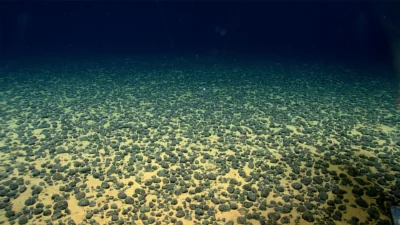
The Cook Islands zone covers close to 2 million square kilometers and holds an estimated 6.7 billion tonnes of wet polymetallic nodules. Nothing has been mined. Three exploration licenses were signed on February 23, 2022, and they expire in February 2027.
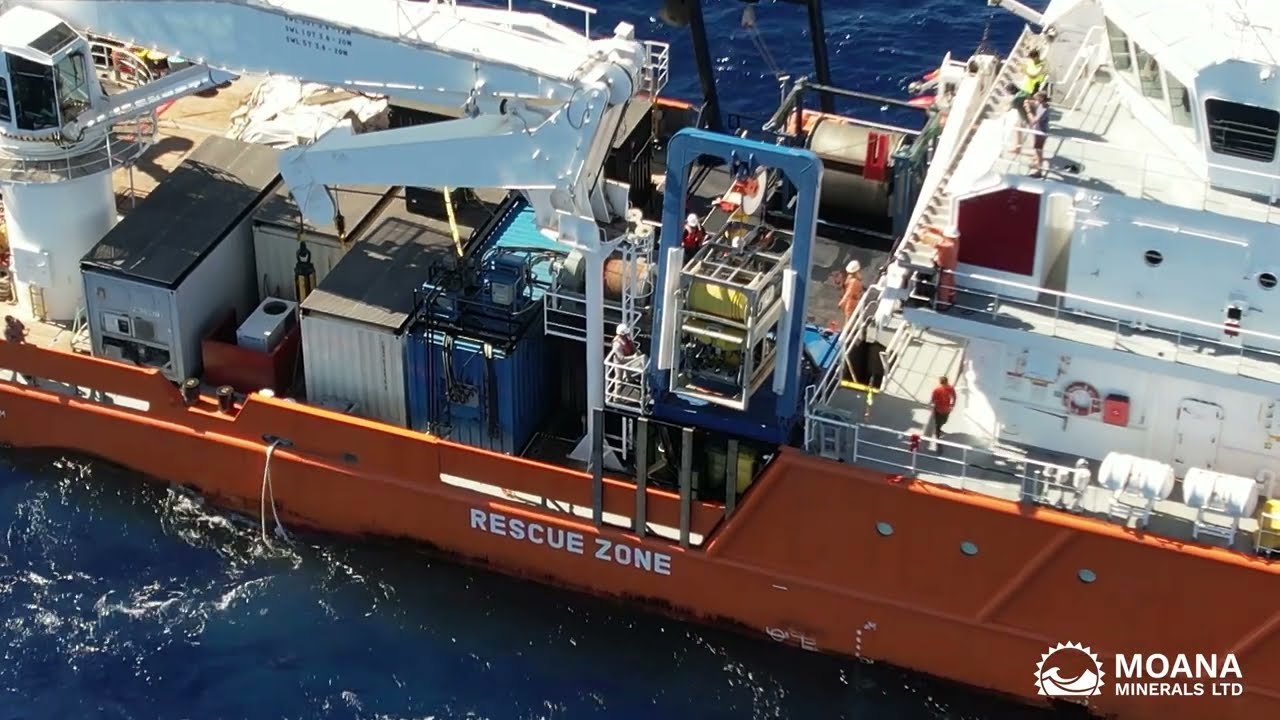
- Moana Minerals holds EL3, an area of 23,630 square kilometers. Its Moana-1 deposit carries a 417 million tonne indicated resource. Its survey ship, the Anuanua Moana, is based at Avatiu in Rarotonga.
- CIC Limited holds the second license, with an inferred resource of 1.95 billion tonnes. Odyssey Marine Exploration (Nasdaq: OMEX) owned 14.2 percent of CIC at June 30, down from 15.7 percent at the end of 2025. Royal Boskalis Westminster is also in the consortium.
- The government holds the third. On August 22 the Cook Islands Investment Corporation moved its zone interests into Cobalt Seabed Resources, keeping 51 percent. Wetstone took the 49 percent formerly held by Global Sea Mineral Resources.
American Ocean Minerals agreed on April 8 to merge into Odyssey in an all-stock deal valued at about US$1 billion. The combined company would trade as AOMC and would consolidate interests in two of the three Cook Islands licenses. The registration statement was amended on August 5 and the deal has not closed.
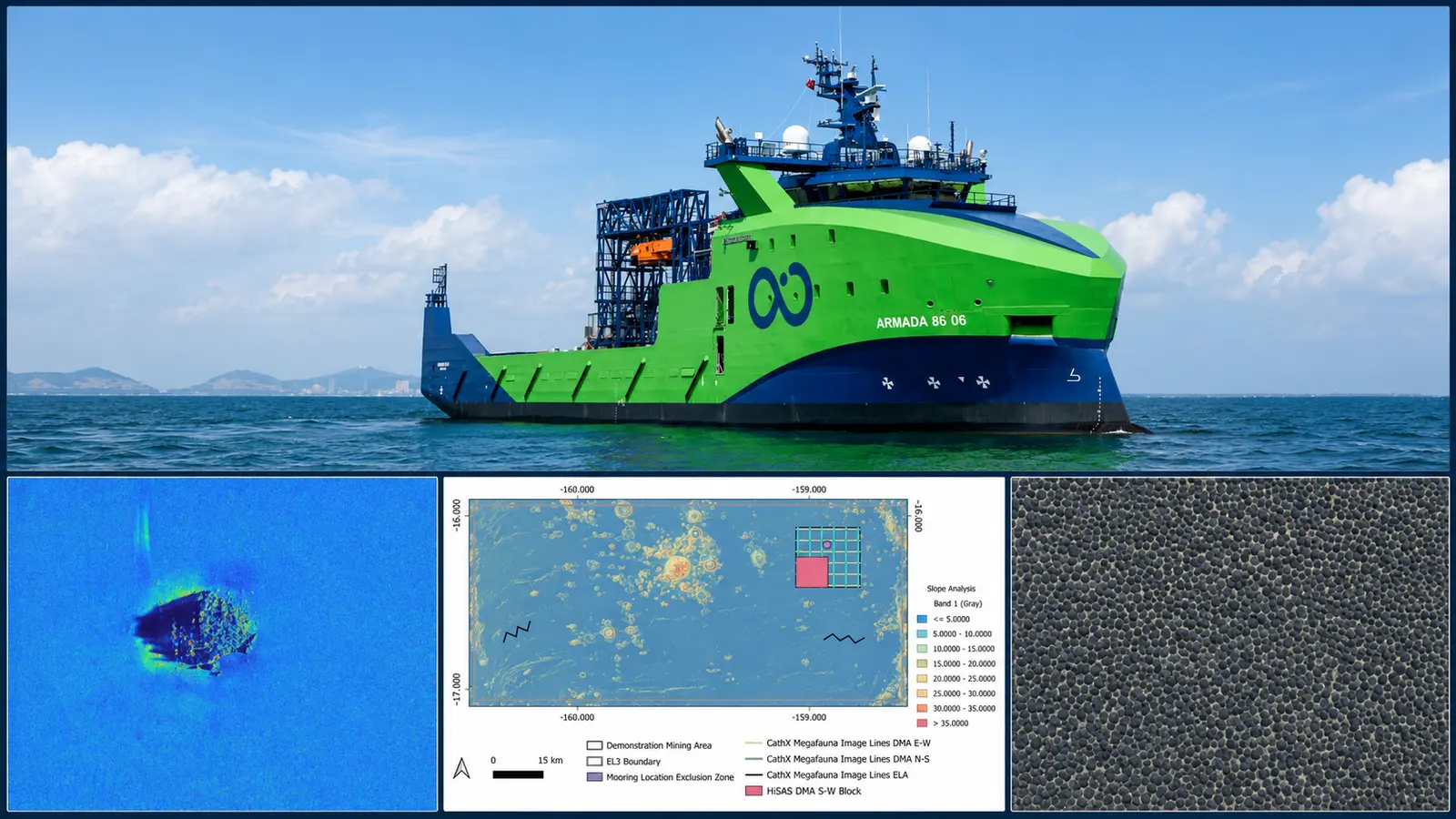
Penrhyn is not next to that ground. EL3 lies more than 800 kilometers south of the atoll. What Penrhyn has is a lagoon deep enough for large ships and standing as an international port of entry, both rare in the Cook Islands, at the northern end of the country’s nodule belt.
Background
The Cook Islands has already put off the mining decision. On November 13, 2025 the government extended exploration by another five years. That pushes any call on commercial recovery to at least 2032. Nothing in the port announcement changes that timetable.
The port also lands inside a diplomatic repair. The Cook Islands governs itself in free association with New Zealand. Cook Islanders hold New Zealand passports, and New Zealand carries the defense relationship. That arrangement came under strain in February 2025, when Brown signed a comprehensive strategic partnership with China without showing Wellington the text first. New Zealand paused development funding in June 2025. Peters and Brown then signed a Declaration on Defence and Security in Rarotonga on April 2, 2026, which names New Zealand the Cook Islands’ partner of choice on defense and security. About NZ$30 million in paused funding was restored.
Washington moved on a separate track. The United States and the Cook Islands signed a Critical Minerals Framework on February 4, 2026. It is non-binding. It covers joint research, geological mapping, data sharing, investment facilitation and supply chains, and it sets up a working group. Its own text says it is not a mining license or an approval, and does not commit the Cook Islands to extraction or to any timeline. Brown said at the signing that the framework gives the Cook Islands options. The Pacific Network on Globalisation, a regional civil society group, warned that it creates a pathway for the United States to influence Cook Islands decisions on whether mining proceeds.
It’s over to the Cook Islands people when you talk about that resource.
Winston Peters, New Zealand Foreign Minister, asked in Palau whether deep sea mining was appropriate
What to watch
- The US$50 million is a State Department commitment made “working with Congress.” No appropriation has been identified.
- February 2027: the three licenses expire. Renewals go to the Seabed Minerals Authority’s independent Licensing Panel.
- The close of the Odyssey and American Ocean Minerals merger.
- Whether the Penrhyn scope grows beyond the shipping and safety benefits the statement describes.
Source document: Joint Statement on Penrhyn Port Project, released by the governments of the United States, the Cook Islands and New Zealand, US Department of State, August 31, 2026.