Key points
- A veteran diver, Dougal Fergus, publicly defended Trans-Tasman Resources’ seabed mining plan off South Taranaki, New Zealand, calling the proposed mining zone biologically barren.
- TTR, a subsidiary of Manuka Resources Ltd (ASX: MKR), aims to extract iron, vanadium and titanium from 50 million tonnes of sediment annually over 35 years within New Zealand’s Exclusive Economic Zone.
- The project, located 22 to 26 kilometres offshore, has drawn opposition from local councils and environmental groups over marine ecosystem impacts.
- The article contrasts TTR’s EEZ project with Chatham Rock Phosphate Ltd (NZX: CRP; TSX-V: NZP), whose Chatham Rise phosphate proposal was previously declined by New Zealand’s Environmental Protection Authority.
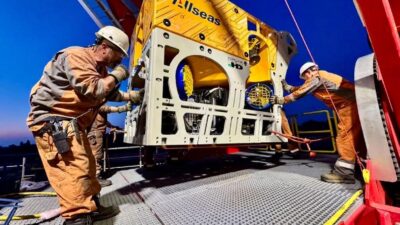
A veteran diver with decades of experience off New Zealand’s South Taranaki coast has publicly defended a controversial seabed mining proposal by Trans-Tasman Resources (TTR), a wholly owned subsidiary of publicly traded Manuka Resources Ltd (ASX: MKR). The project aims to extract iron, vanadium, and titanium from 50 million tonnes of sediment annually, over a 35-year period, within New Zealand’s Exclusive Economic Zone (EEZ).
Dougal Fergus, who conducted years of seabed sampling for TTR, argues the proposed mining zone is biologically barren.
“There is nothing on the sea floor but black sand where they want to work,” Fergus told Stuff.co.nz, recounting that the sediment samples showed little life apart from occasional sea lice.
The site, located 22–26 km offshore, has drawn opposition from local councils, and environmental groups. Critics claim it threatens marine ecosystems, though Fergus maintains that natural sand movement and storm-driven sediment plumes in the area are far more disruptive than the proposed operation.
Context: Shallow vs. Deep Seabed Mining
While seabed mining often evokes concerns about unregulated activity in international waters, the TTR project is entirely within New Zealand’s EEZ and governed by national environmental regulations. It is not part of the deeper international seabed governed by the International Seabed Authority (ISA), nor is it subject to U.S. legislation like the Deep Seabed Hard Mineral Resources Act.
Globally, seabed mining within EEZs is already established. Namibia’s marine diamond mining (by De Beers and the Namibian government) and widespread sand and gravel dredging in Europe and Asia are long-running commercial operations. In New Zealand, Chatham Rock Phosphate Ltd (NZX: CRP; TSX-V: NZP) has pursued a phosphate dredging project on the Chatham Rise, located about 450 meters deep and 400 km east of the South Island. That proposal was previously declined by New Zealand’s Environmental Protection Authority (EPA) but remains under consideration.
Why It Matters
TTR’s proposal is one of the largest and most advanced shallow-sea mining projects within a national EEZ. Its outcome could shape legal precedent for how marine resources are developed under domestic law. It also underscores the distinction between shallow, near-shore operations governed by sovereign states and deep-sea mining in international waters, where legal frameworks remain incomplete.
A decision date for the TTR project under New Zealand’s fast-track approval process is expected soon.