Key points
- NORI and Allseas concluded the first integrated seafloor nodule collection system test in the Clarion Clipperton Zone since the 1970s
- Pilot collector drove over 80 kilometers of seafloor, collecting approximately 4,500 tonnes of nodules
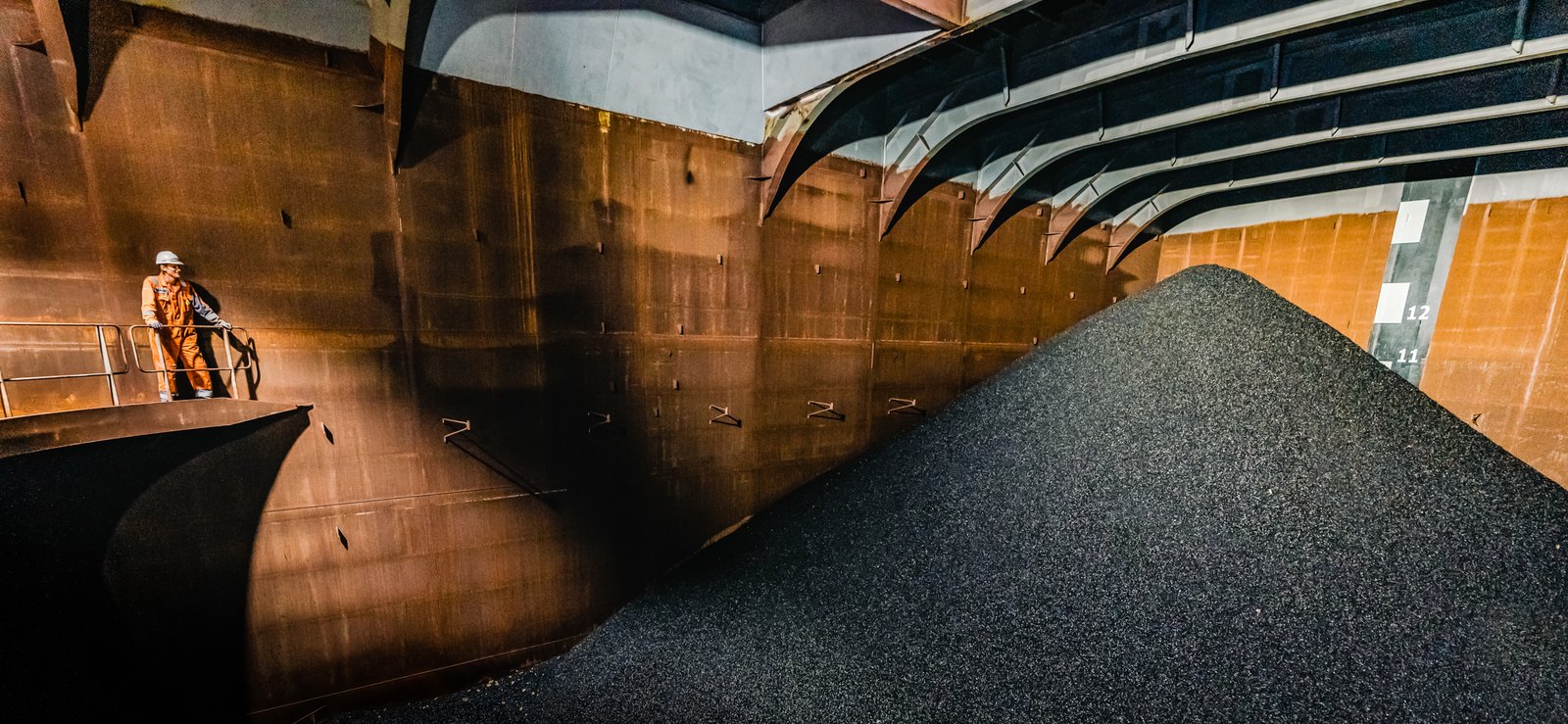
- Over 3,000 tonnes were lifted up a 4.3 km riser system to the surface vessel Hidden Gem; 1,500 tonnes were left on the seafloor as part of the trial
- System reached a sustained production rate of 86.4 tonnes per hour, run by a 130 person crew; announced November 14, 2022
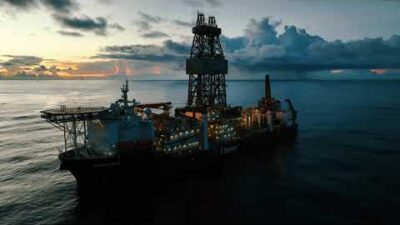
- During the historic deepsea trials, engineers drove the pilot collector vehicle across over 80 kilometers of the seafloor, collecting approximately 4,500 tonnes of nodules and bringing over 3,000 tonnes up a 4.3-km riser system to the surface production vessel, Hidden Gem
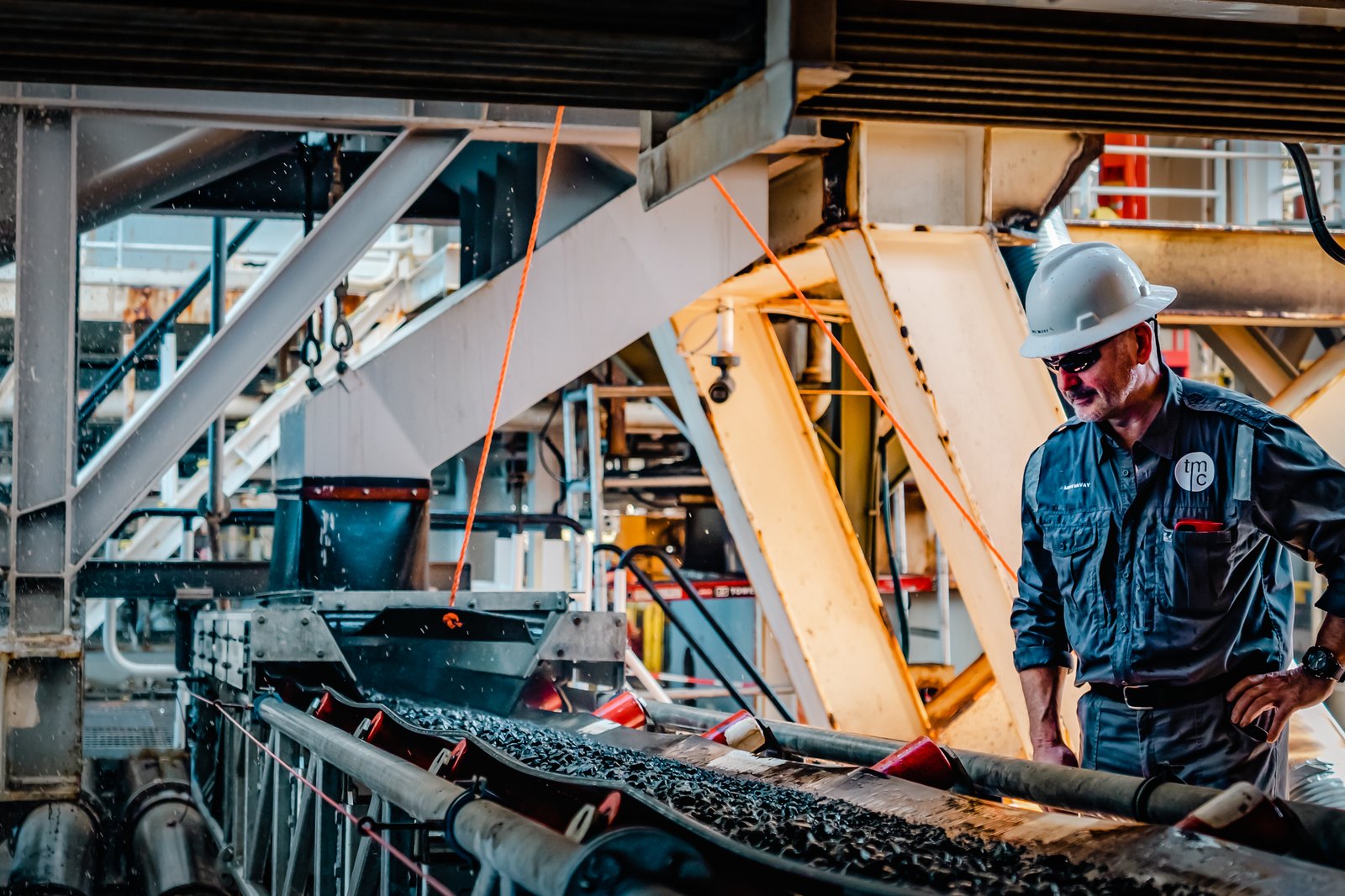
- The Allseas-designed pilot nodule collection system — which will be scaled to include additional collector heads and a wider diameter riser pipe in preparation for NORI’s Project Zero – achieved all pilot production milestones and reached a sustained production rate of 86.4 tonnes per hour
- Conducted across a small test area in NORI-D, collection system trials and ongoing environmental impact monitoring are part of the International Seabed Authority’s regulatory and permitting process and the extensive amount of data gathered will inform TMC subsidiary NORI’s application to the ISA for an exploitation contract
NEW YORK, Nov. 14, 2022 (GLOBE NEWSWIRE) — TMC the metals company Inc. (Nasdaq: TMC) (“TMC” or the “Company”), an explorer of the world’s largest estimated undeveloped source of critical battery metals, today announced that its subsidiary NORI and offshore partner Allseas have successfully concluded the first integrated system test in the Clarion Clipperton Zone of the Pacific Ocean since the 1970s, achieving all significant pilot milestones while collecting approximately 4,500 tonnes of seafloor polymetallic nodules. Over 3,000 tonnes were transported up a 4.3km-long riser system to the surface production vessel, Hidden Gem, while the additional 1,500 tonnes of nodules were purposely left behind on the seafloor as part of the trials.
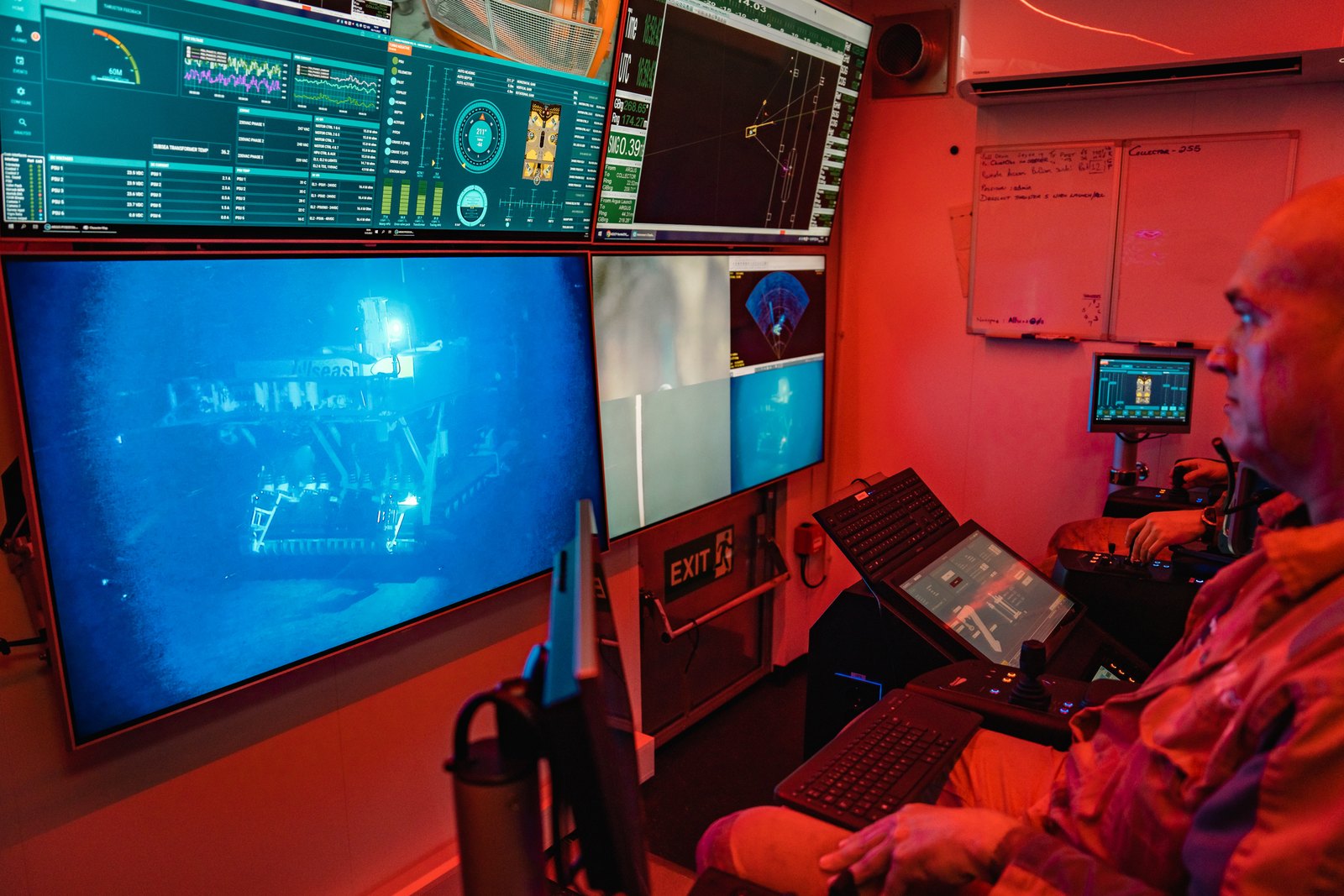
Following initial pilot system commissioning tests, the dedicated team of 130 crew and engineers aboard the Hidden Gem conducted a series of production runs in NORI-D test area to assess the system’s endurance prior to further development into a small-scale commercial system. Driving the pilot nodule collector over 80 kilometers, Allseas engineers put the system through a series of tests achieving a sustained production rate of 86.4 tonnes per hour, roughly equivalent to transporting the mass of 40 Tesla Model S vehicles up the 4.3-km riser pipe every sixty minutes. The pilot system is expected to be scaled up to include additional collector heads and a wider diameter riser pipe in preparation for NORI’s Project Zero, which will target a production rate of over 200 tonnes per hour.
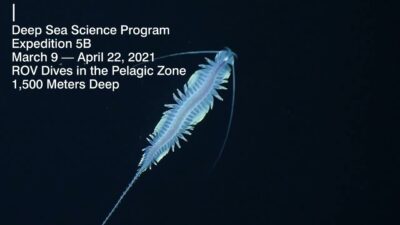
Concurrently, aboard a dedicated monitoring vessel, marine experts and academic scientists conducted the first monitoring program of an integrated pilot collector system test. The team used remotely operated vehicles (ROVs) and autonomous underwater vehicles (AUVs) to survey, monitor and sample the sediment plumes generated by collector operations on the seafloor as well as the mid-water discharge of water from the riser system used to transport nodules from seafloor to the Hidden Gem. The team deployed an array of over 50 subsea sensors on seafloor landers and mid-water moorings to continually monitor sediment plumes and noise generated by the nodule collection operations. The ongoing monitoring program will continue to survey environmental impacts and produce valuable scientific data after the conclusion of the collector system test.
Gerard Barron, CEO & Chairman of The Metals Company said: “We believe in making decisions based on data and evidence, not speculation and sentiment. This pilot collection system trial and monitoring campaign is the single most important milestone in de-risking the NORI-D project and establishing actual data on the environmental impact profile of potential nodule collection operations and improvements we can make going forward.”
He added: “I’d like to thank the teams aboard all three vessels involved in this complex pilot test and monitoring campaign who have worked tirelessly—some for months—co-ordinating and solving problems together offshore. Hidden Gem is now heading back to port with over 3,000 tonnes of nodules in her hold but the post-collection survey work is still ongoing until the end of the year. We look forward to the completion of this important work and the opportunity to share the data and its implications with the global community as soon as possible.”
With the technology trials complete, the marine research teams will remain on-site to recover the landers and moorings deployed for the collector test monitoring program and will undertake post-collection surveys to compare the status of the seafloor environment before and after the test. Once complete, the collection system test monitoring program will represent the single largest simultaneous environmental impact monitoring study ever conducted in the CCZ. The data collected, together with many terabytes of existing baseline data collected by NORI throughout 16 offshore campaigns, will form the basis of NORI’s application to the International Seabed Authority for an exploitation contract, which the Company expects to be ready for submission in the second half of 2023.
TMC and NORI expect that the findings from the rich data gathered during the trials will be published in scientific literature in the next year, in what is expected to be a significant expansion of our understanding of the deep-sea ecosystem in the CCZ where 17 of the 19 nodule exploration contracts awarded by the ISA are located.
In September 2022, NORI announced that it received the ISA’s recommendation to commence its pilot nodule collection system trials in the CCZ after its review of the Collector Test Environmental Impact Statement (EIS) and Collector Test Environmental Monitoring and Management Plan (EMMP). While several ISA contractors including BGR (Germany), GSR (Belgium) and NIOT (India) have successfully conducted trials of prototype nodule collectors in recent years, the conclusion of NORI’s tests marks the first time an integrated nodule collection system — including a riser system — has been tested in the Clarion Clipperton Zone since the 1970s, when oil, gas, mining and industrial majors including Shell, BP, Rio Tinto (Kennecott), US Steel, INCO (Vale) and Sumitomo successfully conducted pilot test work, collecting ~2,000 tonnes of nodules.
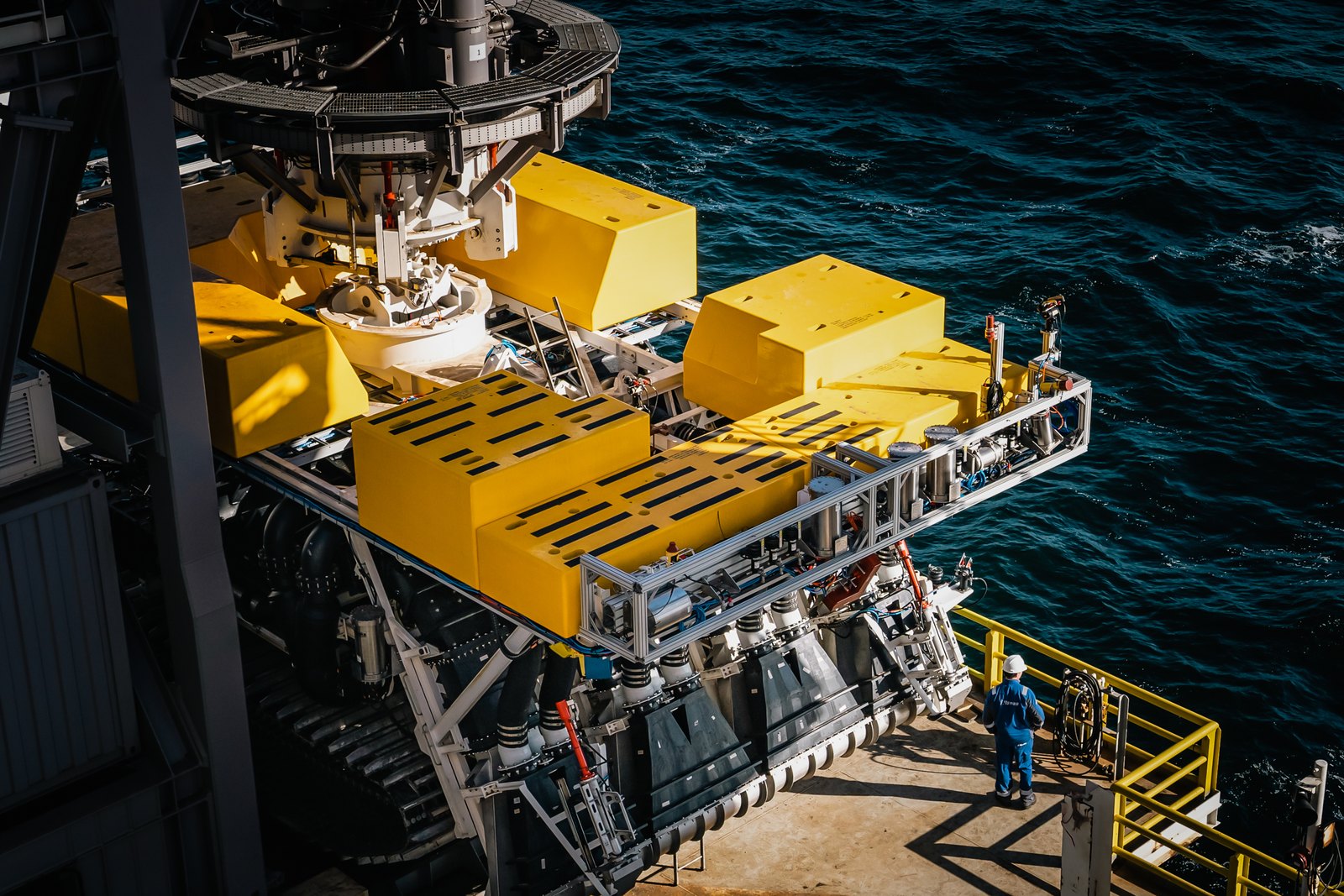
In March 2022, NORI and Allseas agreed that the pilot nodule collection system would be upgraded by Allseas to a commercial system with a targeted production capacity of 1.3 million tonnes of wet nodules per year and expected production readiness by Q4 2024.
About The Metals Company
The Metals Company is an explorer of lower-impact battery metals from seafloor polymetallic nodules, on a dual mission: (1) supply metals for the clean energy transition with the least possible negative environmental and social impact and (2) accelerate the transition to a circular metal economy. The Company through its subsidiaries holds exploration and commercial rights to three polymetallic nodule contract areas in the Clarion Clipperton Zone of the Pacific Ocean regulated by the International Seabed Authority and sponsored by the governments of Nauru, Kiribati and the Kingdom of Tonga.
More Info
Media | [[email protected]](/cdn-cgi/l/email-protection)
Investors | [[email protected]](https://www.globenewswire.com/Tracker?data=ksi_MFnugGJyFuRFqiF-3yRG7k1issbrY2jLn1C4ZbmyQTx_lryaTnHwQLvL2WQ-2Jz9MoU8lHlGrgLrD_6bfFra7KMcUIT5uV2gcufulwM=)