Key points
- NMP’s clearance application reached the scoping stage, including stakeholder and public consultation.
- Public meetings were held in Windhoek from 9 February 2022.
- An appointed environmental assessment practitioner manages the process under the Environmental Management Act.
Namibian Marine Phosphate (Pty) Limited (“NMP”) is progressing the application for an Environmental Clearance Certificate (“ECC”) for its mining licence (“ML170”) for the Sandpiper Marine Phosphate Project (“Sandpiper Project”). As required under the Namibian Environmental Management Act No.7 of (2007) (“EMA (2007)”), NMP has appointed an Environmental Assessment Practitioner (“EAP”) to manage the application and process, which is currently at the Scoping stage including Consultation with Stakeholders and the Public.
Stakeholder & Public Consultation Process Public Meetings were held in Windhoek on 9th February 2022 and Walvis Bay on 11th February 2022. The notice of application and dates for the public meetings were advertised in the Namibian press on the 27th January 2022 and 3rd February 2022, in accordance with EMA (2007).
NMP Encourages all Interested and Affected Parties (“I&AP’s”) to Register As required under EMA (2007), registration of I&AP’s will remain open during the ECC application process. The EAP has requested current I&AP’s to submit their initial comments and concerns for consideration and inclusion in the Scoping Document, which will be completed and made available to all registered I&AP’s for comment prior to submission to the Environmental Commissioner.
Small Scale of Operations will offer Significant Socio-Economic Contributions to Namibia’s Economy
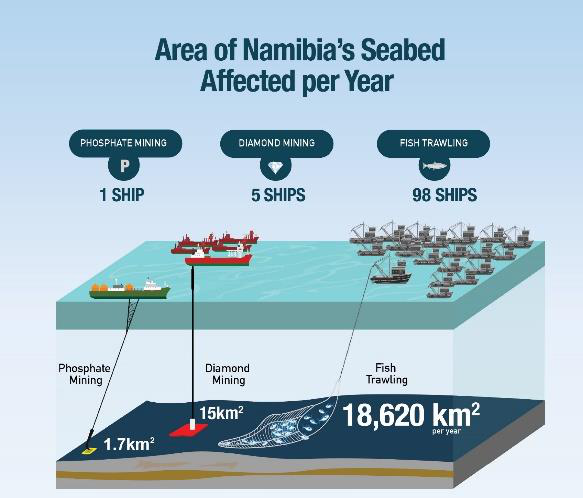
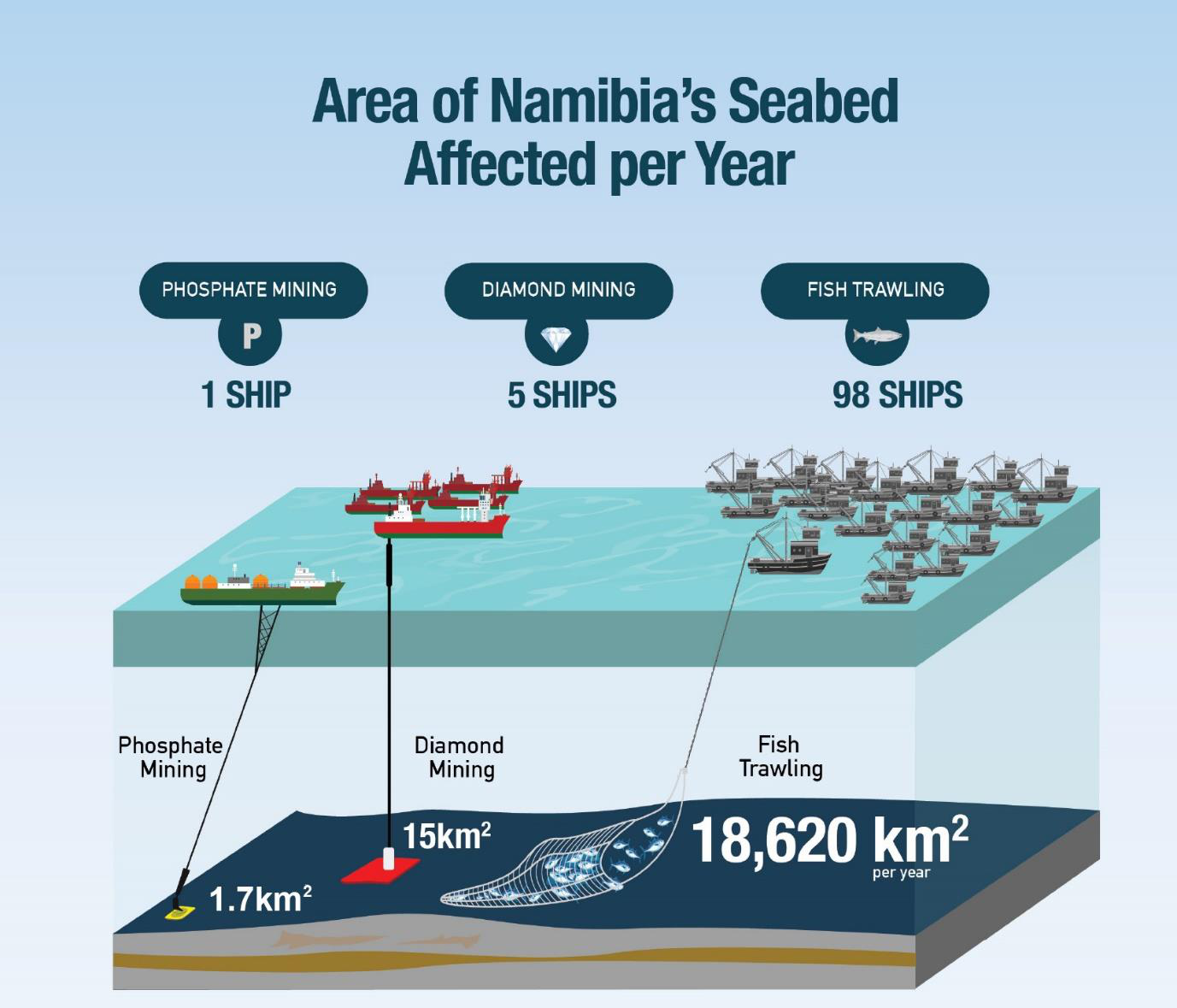
An updated assessment of the Sandpiper Project’s parameters shows that the 20-year mine plan covers less area, a total area of 34km2, and the size of the project’s average annual mining area will be 1.7km2/year (not 2.5km2/year as previously communicated), which represents less than 0.1% of the mining licence area (2,233km2). In comparison, 1.7km2/year is a significantly smaller annual footprint on the seabed than other current marine activities in Namibia.
Although the Sandpiper Project’s 20-year mine plan only covers 34km2, the socio-economic benefits of the project will make a major contribution to the local and national economy.
The Sandpiper Project could be the first building block in the start of a fertilizer industry in Namibia. Initially, NMP will create employment for over 600 Namibians (directly and indirectly) in construction and the plant-based operations in Walvis Bay. In addition to the N$750 million capital already spent on the project, NMP’s direct economic impact will:
✓ create opportunities for small medium-sized enterprises (SMEs) and other economic sectors ✓ spend an estimated N$ 1 billion on civil and local infrastructure ✓ require a capital investment of N$ 5.2 billion for the development ✓ project an annual revenue of N$ 4.2 billion ✓ contribute direct taxes of N$ 650 million/year ✓ contribute royalties of N$ 78 million/year
For additional information on the project or the ECC process, please contact:
- Environmental Compliance Consultancy [info@eccenvironmental.com or +264 81 669 7608]
- NMP website – www.namphos.com or info@namphos.com
NMP remains fully committed to the responsible commercial, social, and environmental development of the proposed Sandpiper Project for the benefit of all stakeholders, as well as national interests and those of the Namibian public at large.
NMP welcomes and continues to participate in the current initiatives being implemented by the Namibian government to develop the Blue Economy Policy in Namibia and to implement Marine Spatial Planning (“MSP”) as part of the national objective to protect the marine environment as well as to resolve potential stakeholder conflicts and to support sustainable growth of both current and new marine industries in Namibia.