Key points
- The expedition was led by authorized representative I. Dreiseitl, an expert in geology, with mobilization and demobilization at the port of Balboa, Panama.
- Geological work aimed to confirm polymetallic nodule resource potential and seabed topography in exploration blocks H22_NE and H33, using geoacoustic profiling, photo/video profiling, box corer and gravity corer sampling.
- Environmental research collected marine background data in blocks H22_NE and H33, prepared the Impact Reference Zone delineation in H22_NE, and studied the Preservation Reference Zone, including CTD water sampling and biological sampling of macro fauna and nodule fauna.
- Collected samples will be analyzed in on-land laboratories to update geological data, resource estimates and environmental evaluation studies.
Szczecin (Poland) The IOM-2019 scientific expedition has been completed successfully. Exploration works conducted on-board R/V Gelendzhik included geological, environmental and oceanographic research and lasted from 9 May to 2 August 2019. The port of mobilization and demobilization was Balboa, Panama. The IOM staff was led by an authorized representative I. Dreiseitl (expert in geology).
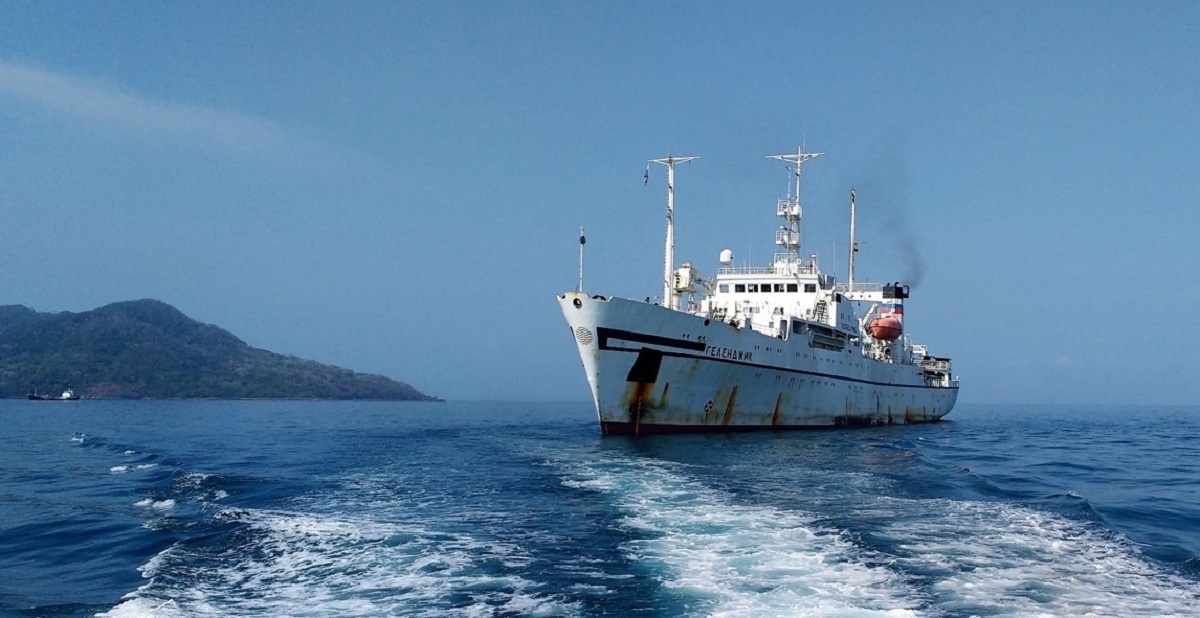
The purpose of the geological exploration was to confirm the polymetallic nodules resource potential and to determine local conditions in exploration blocks Н22_NE and Н33, as well as to explore the topography and morphology of the seabed to identify potential obstacles for future mining operations.
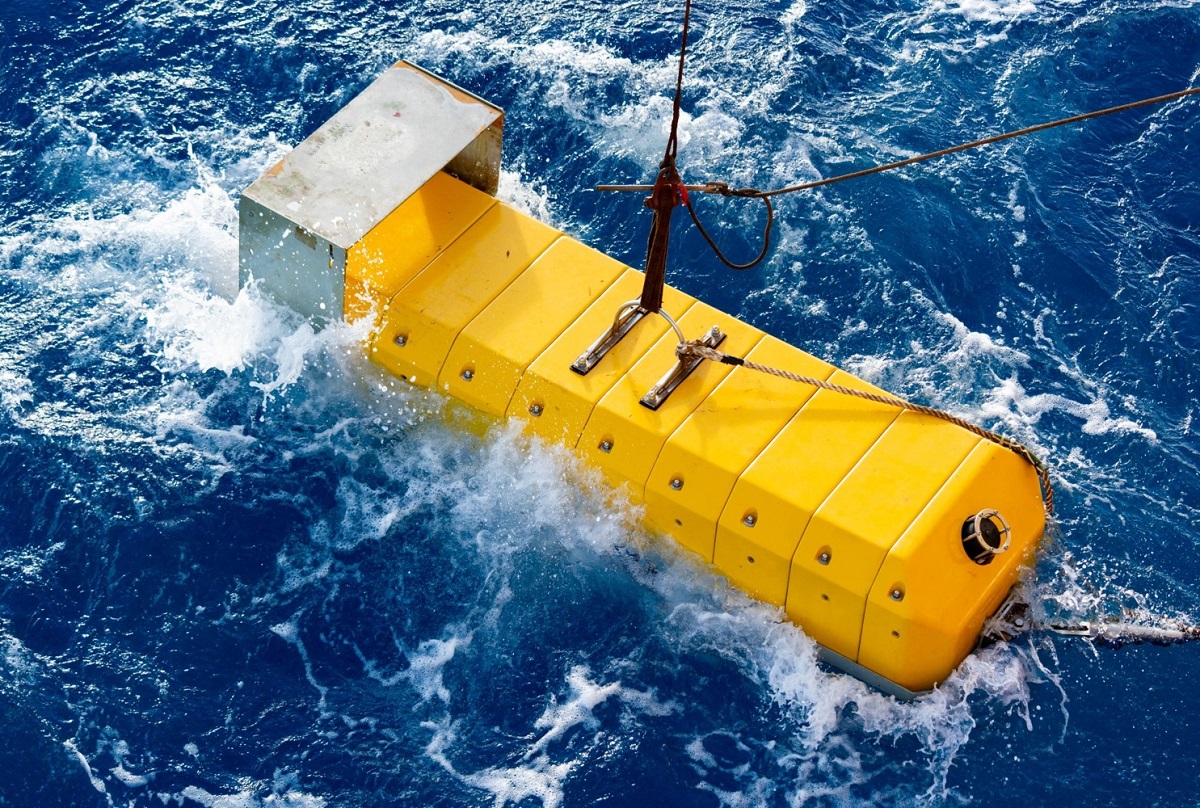
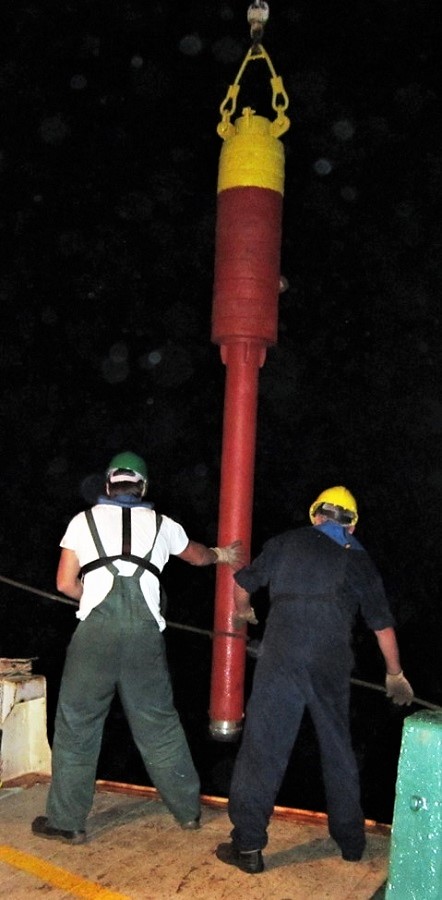
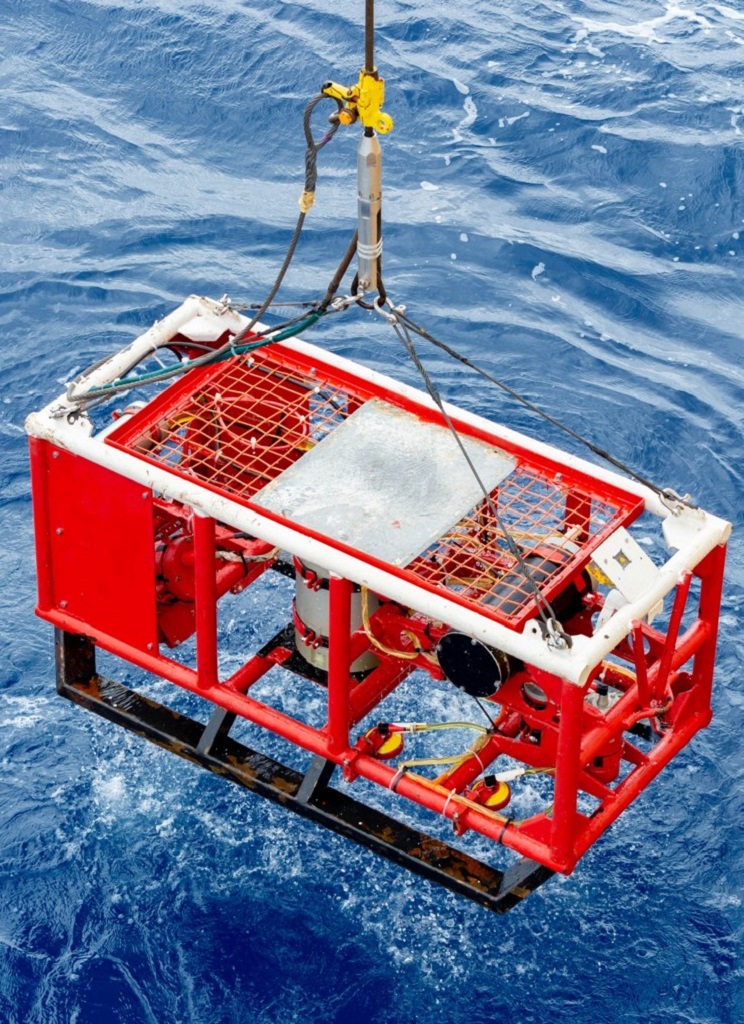
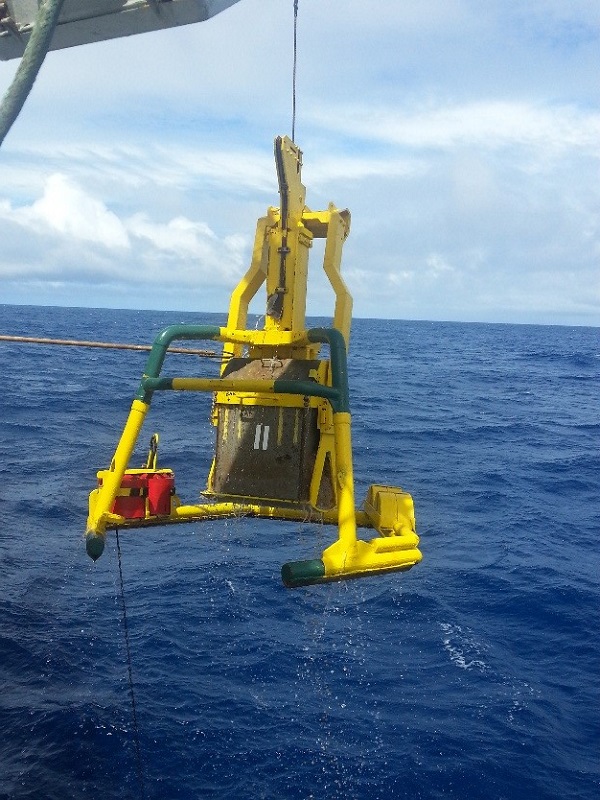
The research included hydro-meteorological observation, navigational and hydrographic works, geoacoustic profiling, photo/video profiling, sampling of polymetallic nodules and bottom sediments using a box corer and a gravity corer, and analytical works in the vessel’s laboratories.
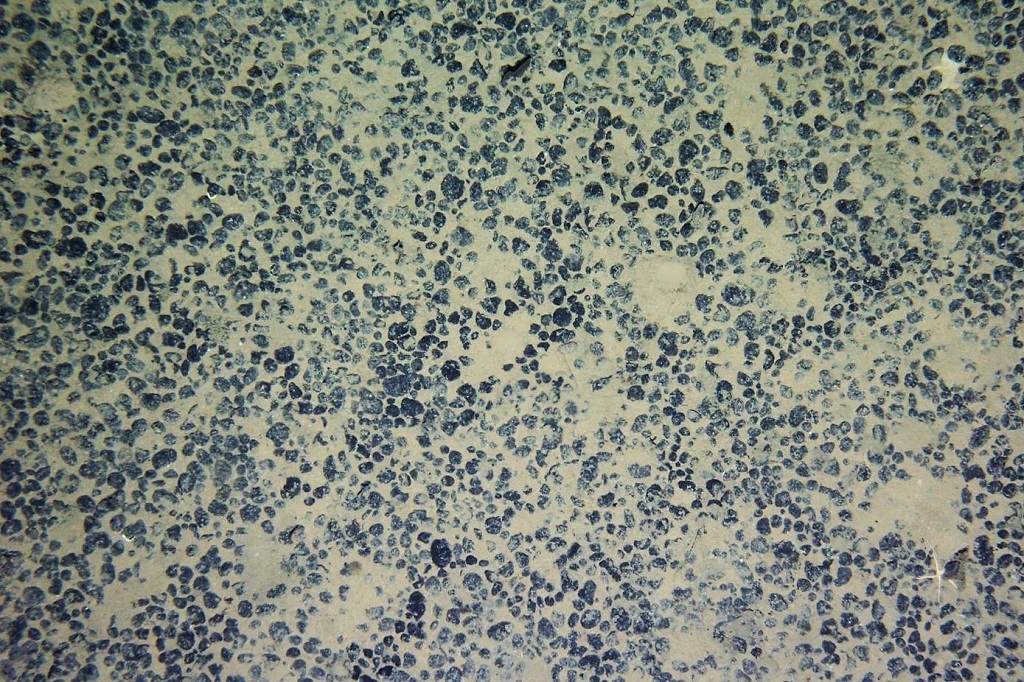
Environmental research included collection of marine environment background data within blocks H22_NE and H33, preparatory works for delineation of the Impact Reference Zone within block H22_NE, and comprehensive studies of the components of the marine environment within the Preservation Reference Zone. The exploration also included water sounding with ocean water sampling (CTD stations), bottom sampling with a box corer including sampling of bottom sediments and pore waters, biological sampling of macro fauna and nodule fauna (for molecular taxonomy) and photo/video profiling to study megafauna and its habitat.
The collected samples will be analyzed in on-land laboratories to obtain data for updating information on geological settings, the resource estimation and carrying out environmental evaluation studies.