Video

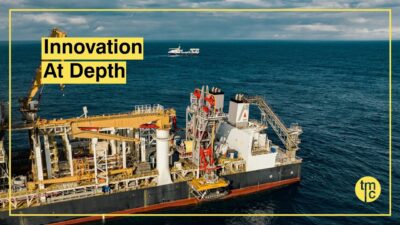
Innovation at Depth

Key points TMC’s collector weighs about 90 tons in air but only 15 tons on the seafloor with buoyancy applied, and post-pass surveys showed disturbance of just a few centimeters, versus roughly 80 cm of sediment churning from the older Archimedes screw design. The Coanda nozzle intake…


Noise & Light – What does the data tell us?

Key points Hydrophone monitoring found noise above 120 decibels, the U.S. National Marine Fishery Service threshold for a cetacean behavioral response, extends about 3.6 km around the production vessel. The main noise source is the vessel’s dynamic positioning thrusters, not seismic…

Deep Sea Joins U.S. Defense Industrial Base

Key points Deep Sea Minerals identifies the Clarion Clipperton Zone (CCZ), located west of Baja California, Mexico, as its most attractive area outside EEZ waters. The CCZ has been studied for decades by industry, governments, and academia, with well-documented resource potential. The…

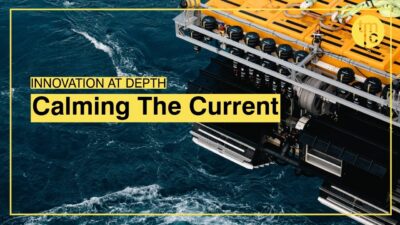
Innovation at Depth – Calming the Current

Key points Allseas’ diffuser system releases excess water used in nodule collection back into the environment, returning up to 95% of entrained sediment at the diffuser level before it can enter the riser system. The diffuser slows and concentrates the exiting flow, promoting formation…

The Metals Royalty Company Introduction

Key points TMCR holds a 2.0% gross overriding royalty on the NORI polymetallic deposit operated by TMC the metals company Inc. (NASDAQ:TMC). The company acquires and manages royalties, streams and similar structured interests across energy, defense and the broader critical minerals value…

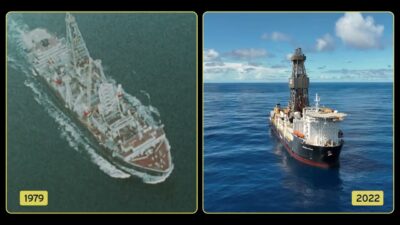
Deep-Sea Nodule Collection – Then and Now

Key points The video shows the Glomar Explorer now carrying an advanced-design robot miner, ready for testing. TMC says nodule deposits can be found and estimated without extensive prospecting, using sonar and TV imaging. Fifty years after nodule collection technology was first pioneered,…

Subscribe to our newsletter

Ocean mining news, every Monday