Key points
- Offshore diamond mining off Namibia is one of the only forms of ocean mineral extraction to operate commercially for decades, centered on marine placer deposits from the Orange River system.
- Debmarine Namibia, a joint venture between the Namibian government and De Beers Group, operates the fleet, including the Benguela Gem, commissioned in 2022 as its most advanced recovery vessel.
- Other key vessels include MV Mafuta, a converted drilling vessel used for large-scale recovery, and SS Nujoma, dedicated to seabed mapping and sampling.
- The process involves sonar-based seabed mapping, bulk sampling, seabed crawler or suction extraction, and onboard processing using dense media separation and X-ray recovery.
Offshore diamond mining is one of the only forms of ocean mineral extraction that has operated commercially for decades. The industry is centered off the coast of Namibia, where diamonds transported by the Orange River system were naturally concentrated in marine placer deposits along the Atlantic seabed.
Today, offshore diamond mining is dominated by Debmarine Namibia, a joint venture between the Namibian government and De Beers Group. The company operates a fleet of highly specialized recovery vessels that function as floating mining and processing plants.
Below are the primary vessels that define the modern marine diamond industry.
Benguela Gem
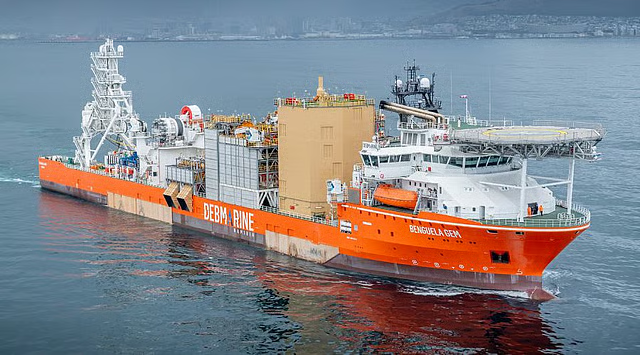
Benguela Gem, commissioned in 2022, is the world’s most advanced diamond recovery vessel. Purpose-built for deepwater operations, it can mine at greater depths and process higher volumes than previous generations of ships.
The vessel represents a technological leap in offshore recovery. It features advanced seabed crawler systems, improved bulk sampling capability, and fully integrated onboard processing circuits. It was designed specifically for Namibian marine conditions and operates as a standalone offshore production platform.
MV Mafuta
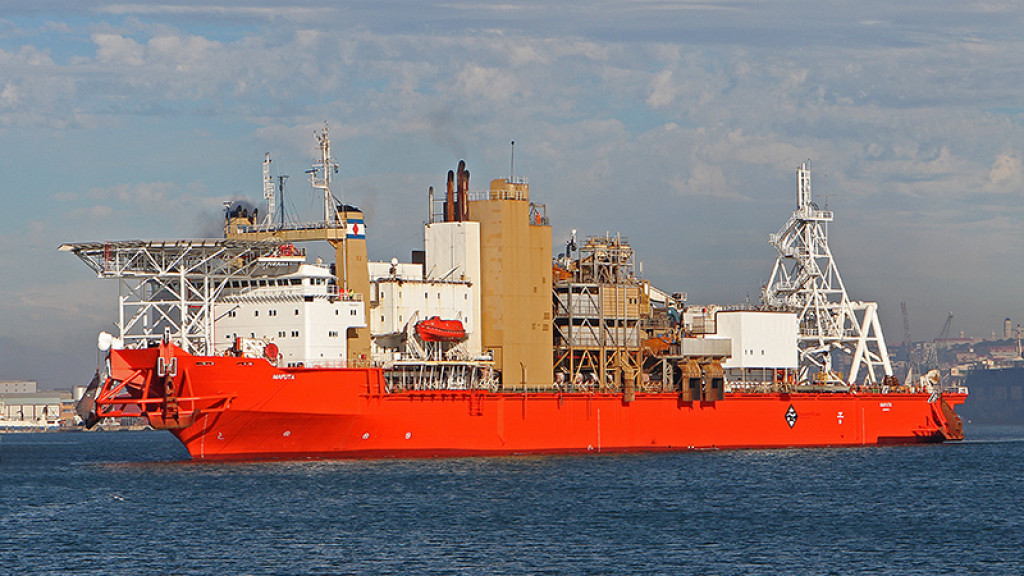
MV Mafuta is one of the long-serving large-scale recovery vessels in Namibia’s offshore fleet.
Originally converted from a drilling vessel, Mafuta illustrates how offshore oil and gas engineering influenced marine diamond mining. It has been upgraded multiple times and remains a core production asset, equipped with suction-based seabed mining systems and onboard mineral separation facilities.
SS Nujoma
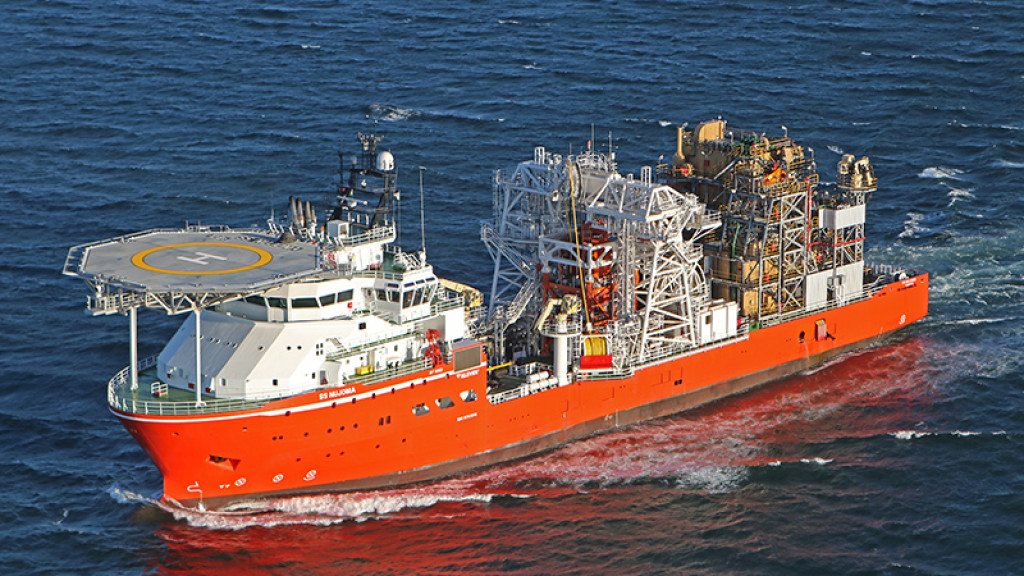
SS Nujoma is a dedicated exploration and sampling vessel used to map and evaluate new marine diamond deposits.
Unlike production vessels, SS Nujoma focuses on seabed mapping, geophysical surveys, and bulk sampling. Offshore diamond mining depends heavily on accurate resource modeling, and this vessel ensures long-term resource replacement and mine planning.
How Offshore Diamond Mining Works
Marine diamond mining targets diamond-bearing gravel layers buried beneath sediment on the continental shelf.
The general sequence:
- Seabed mapping using high-resolution sonar and geophysics
- Bulk sampling to confirm grade distribution
- Deployment of seabed crawler or suction tools
- Extraction of diamond-bearing gravel
- Onboard processing using dense media separation and X-ray recovery
- Secure transfer of recovered stones to shore
Operations typically occur in water depths between 90 and 150 meters, though newer vessels are capable of deeper recovery.
Historical Development
Offshore diamond mining began in Namibia in the early 1960s in shallow waters near the coast. Early operations relied on divers and rudimentary suction systems.
Through the 1970s and 1980s, operations expanded into deeper waters using modified offshore vessels. By the 1990s, industrial-scale marine mining had become fully integrated into Namibia’s diamond sector.
Today, offshore production contributes a significant portion of Namibia’s total diamond output.
Why Namibia Remains Unique
Namibia’s coastline is uniquely suited for marine diamond accumulation because:
- The Orange River transported diamonds from inland kimberlite fields
- Strong coastal currents naturally concentrated heavy minerals
- Marine conditions preserved high-value stone distributions
Over millions of years, lighter material was removed while denser diamonds remained, creating economically viable seabed deposits.
The Only Proven Model of Large-Scale Ocean Mining
While much of today’s ocean mining debate focuses on polymetallic nodules and critical minerals, offshore diamond mining stands as the only example of:
- Long-term commercial seabed extraction
- Specialized mining vessel fleets
- Integrated onboard processing
- Structured regulatory oversight
- Decades of continuous production
For observers of seabed mineral development globally, Namibia’s offshore diamond industry remains the clearest real-world template for industrial ocean mining in operation.