Key points
- Initial surveys of Norway’s designated area near Svalbard, roughly the size of Nevada, estimate 38 million tons of copper and 45 million tons of zinc in sulfide deposits, plus millions of tons of cobalt in manganese crusts, putting the potential value at around $92 billion.
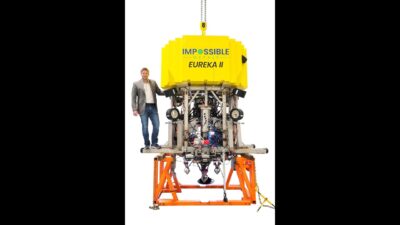
- Norway gained an additional 90,000 square miles of continental shelf in 2009 and in 2024 passed a bill to explore part of it for deep sea mining, with companies like Loke Marine Minerals working to map the seabed using ROVs operating around 6,500 feet down.
- The US has not ratified the UN Law of the Sea and cannot obtain exploration or exploitation contracts from the ISA, while China already holds access to five exploration sites in the Clarion-Clipperton Zone south of Hawaii.
- The Clarion-Clipperton Zone nodules are believed to contain more nickel, cobalt and manganese than all land-based deposits combined, though no ISA exploitation contracts have yet been granted anywhere.
Between Norway and Greenland lie some of the most valuable minerals on the planet. From cobalt to rare earths, raw materials are needed to drive multi-billion dollar industries such as EVs. These mineral reserves from the deep sea are of huge geopolitical significance as China and a few other key countries are monopolizing the supply of these materials. WSJ explains how Norways is taking a leading role in the controversial race to mine the deep sea and why the U.S. is intently watching developments.